How to get rid of bats
The only lasting way to get rid of bats is exclusion: let them fly out through one-way netting or tubes, then seal every gap, outside maternity season (roughly May or June through August, varying by state), and never with poison.
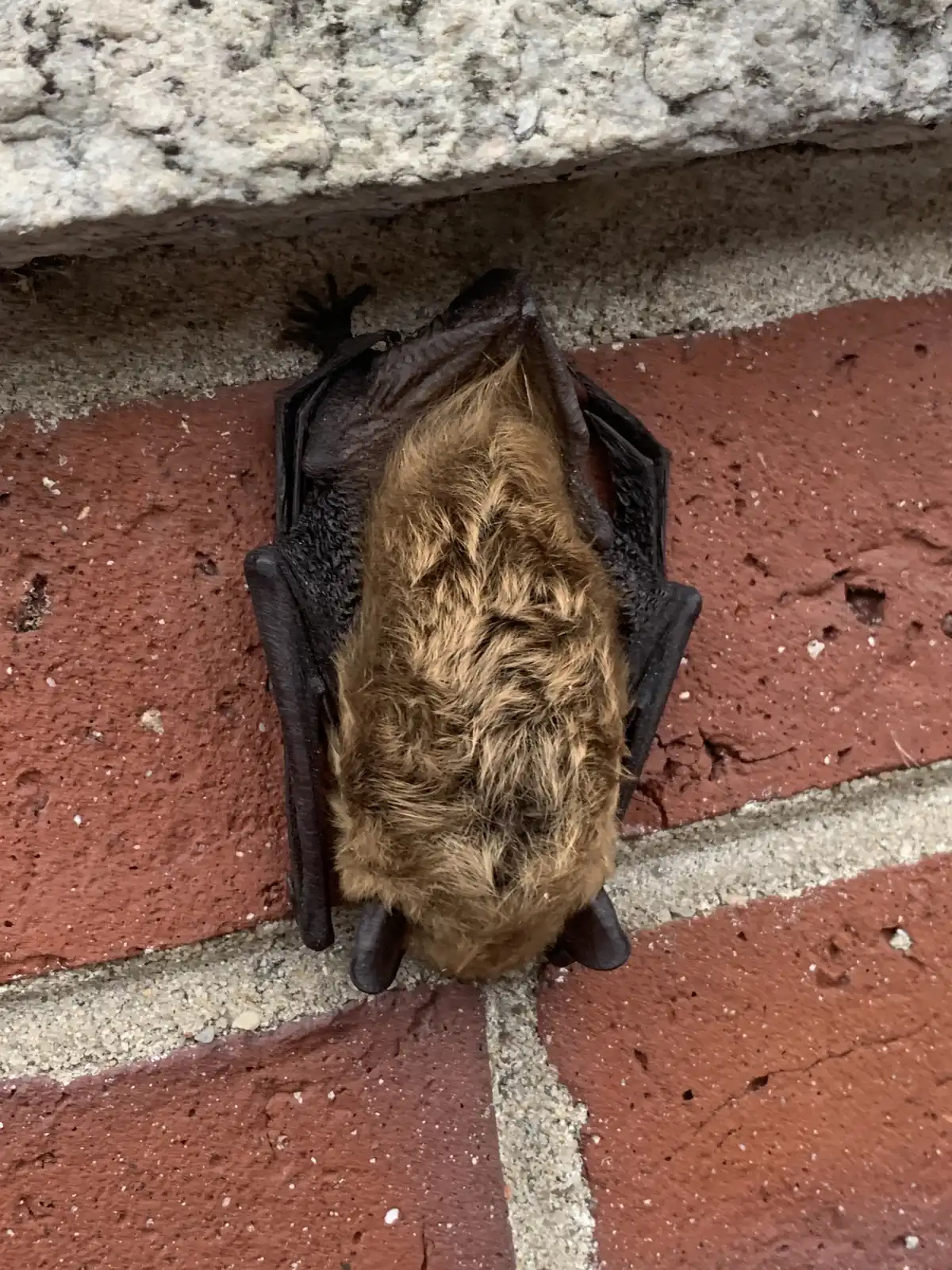
First: a bat in a room where someone was sleeping
If you wake up and find a bat in the room, or find a bat in a room with a young child, a person who was asleep, or anyone who cannot reliably say whether they were touched, treat it as a possible rabies exposure. Bat bites can be tiny and easy to miss. Do not release the bat. If you can do it safely, wear thick leather gloves, cover the bat with a container, slide cardboard underneath and tape it shut. Then call your health department or animal control right away so the bat can be tested. If the bat escapes, contact your health department and medical provider urgently.
Even when no one was asleep, the CDC advises against releasing a bat found inside your home until you have talked with your health department or animal control. They can tell you whether it needs testing and help capture it.
Why timing matters most
Most bats in houses are maternity colonies: females that return to the same attic each year to raise young. In Pennsylvania, bats move in around late April or early May, pups are born in late May or early June, and pups cannot fly until about mid-July. If you seal the holes or install one-way devices while pups are inside, the young starve in your walls, which is cruel and often illegal.
Maternity season varies by state. Florida bans exclusion from April 16 through August 14. Nebraska Extension advises no exclusion in June or July and waiting until after August 1. Check your state wildlife agency for the exact dates where you live.
A simple calendar for northern states:
| Months | What to do |
|---|---|
| Nov–Apr | Seal gaps while bats are gone |
| May–Aug | Watch and map exit holes; do not seal |
| Aug–Oct | Install one-way devices, then seal |
How exclusion works
- At dusk, watch the outside of the house to find every gap bats use. Look for brown rub marks and droppings below holes.
- Seal every gap bats are not using with caulk, sealant, 1/4-inch hardware cloth or weatherproof foam strips. Avoid foam insulation, which breaks down in sunlight.
- Over each active exit, hang lightweight netting: cut it about 4 inches wider than the gap and long enough to hang at least 1 foot below it. Fasten the top and sides and leave the bottom open. Bats crawl down and out but cannot find the way back in. Tubes about 2 inches wide, angled down, also work.
- Leave the devices up for at least a week, during nights warm enough for bats to fly out and feed. Florida requires at least four nights with lows above 50°F.
- Once no bats emerge, seal the exits permanently.
A bat house mounted nearby gives the evicted colony somewhere to go but does not replace exclusion.
What not to do
- Do not use poison. No toxicant is registered for bats in the US, bats will not take bait, and poisoning protected bats is illegal.
- Do not use mothballs. EPA considers their ingredients possible human carcinogens.
- Do not rely on ultrasonic devices or lights; they have not been shown to work.
- Do not trap and relocate bats. They return to their roost, and some states forbid it.
- Do not handle a bat with bare hands.
Many bats are protected
About half of US bat species are in decline, and white-nose syndrome has killed many hibernating bats. Some species are federally endangered, and states protect roosts during maternity season. Bats also eat large numbers of night-flying insects. That is why the law favors humane exclusion over killing.
After the bats are out
Old guano can carry the fungus that causes histoplasmosis. Small amounts can be misted, bagged and discarded with gloves and a mask; large attic deposits should go to a professional cleanup company. See bat droppings for how to identify and clean guano safely.
Choose a treatment
With bats the deciding factors are contact with people and the calendar: any possible contact goes to the health department, and colony removal has to wait until the pups can fly.
Call the health department now
Do it yourself
- Do not release the bat. Bat bites can be too small to notice.
- If you can do it safely, wear thick leather gloves, cover the bat with a container, slide cardboard underneath and tape it shut.
- Wash any bite or scratch with soap and water.
- Call your state or local health department or animal control right away for testing advice, and contact your medical provider.
Professional
The health department arranges rabies testing of the bat and advises whether treatment is needed. If the bat cannot be tested, treat it as a possible exposure and seek medical care urgently.
Confine it and ask for advice
Do it yourself
- Close interior doors to confine the bat to one room and keep pets out.
- CDC advises not releasing a bat found inside until you have talked with your health department or animal control.
- Never touch a bat with bare hands.
- Afterward, look for how it got in: gaps of 3/8 inch or less around attic doors, chimneys, vents and pipes. Caulk and seal them.
Professional
Animal control can capture the bat. A bat exclusion specialist can find the gap it came through, especially if you see more than one.
Exclude at the right season
Do it yourself
- Do not exclude during maternity season, roughly May or June through August depending on the state; trapped pups starve. Check your state wildlife agency for dates.
- In season, watch at dusk and map every exit hole.
- After the pups can fly, hang netting or tubes as one-way exits over active holes, leave them at least a week of good flying weather, then seal permanently with caulk, sealant or 1/4-inch hardware cloth.
- Never use poison, mothballs or ultrasonic devices. Many bats are protected.
Professional
A bat exclusion specialist seals all secondary gaps, installs one-way devices at the right time of year under your state's rules, and confirms the colony is out before sealing. Many also clean guano.
Professional cleanup
Do it yourself
- Do not sweep, vacuum or shovel dry guano yourself; disturbed guano can release histoplasmosis spores.
- For a few droppings only: gloves, an N95 mask, mist with water, bag and discard.
Professional
The CDC advises that large amounts of droppings be removed by companies that specialize in hazardous waste. Expect respirators, wetting, bagging and often replacement of soiled insulation, done after the bats are excluded.
Tell your landlord in writing. Exclusion and attic cleanup are the owner's job, but you should still call the health department yourself about any possible contact.
A bat found in a room with a sleeping child is a possible rabies exposure. Do not release it; call the health department. Keep pets' rabies vaccines current.
People with weakened immune systems, infants and adults over 55 are at higher risk from histoplasmosis and should stay out of attics with guano.
When to call a professional
A bat exclusion specialist is the right call for most colonies, especially in tall or steep roofs, tile roofs, or houses with many gaps. They know your state's maternity dates and permit rules, can find every entry, and can handle guano removal safely. Call your health department, not a pest company, first if anyone may have had contact with a bat.
Questions
Can I get rid of bats in summer?
Not during maternity season, roughly May or June through August depending on the state, because flightless pups would be trapped inside. Map the exits now and exclude after the young can fly.
What do I do if a bat was in my bedroom while I slept?
Do not let it go. Capture it safely if you can and call your health department right away so it can be tested; bat bites can be too small to notice.
Is there a spray or poison for bats?
No. No toxicant is registered for bats, poisoning protected bats is illegal, and repellents like mothballs are not recommended.
How long do one-way bat devices stay up?
At least a week of good flying weather, then check that no bats emerge at dusk before sealing the openings.
Will bats come back after exclusion?
They return to the same roost every year, so they will try. Sealing every gap after they leave is what keeps them out.