How to get rid of rats
To get rid of rats, seal openings larger than 1/4 inch with metal, remove the food and cover outside that supports them, and set many snap traps along their runways; use poison only in tamper-resistant bait stations.
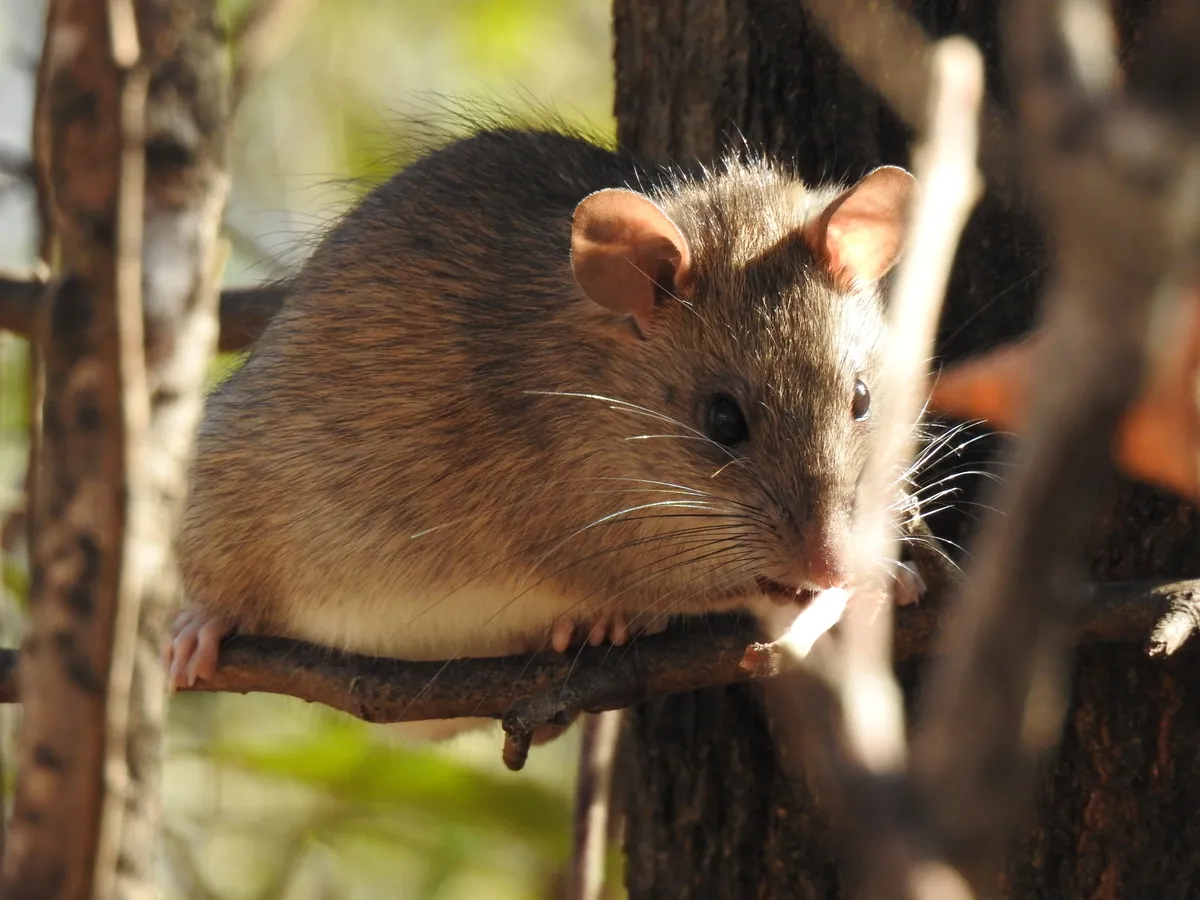
Step 1: Figure out which rat
Your plan depends on whether you have Norway rats or roof rats (the ID is on rat droppings). Norway rats burrow along foundations, under woodpiles and garbage, and live mostly in basements and on ground floors. Roof rats nest up high in trees, ivy and attics, and travel along fences, utility lines and branches. Traps and sealing go where each species travels.
Step 2: Take away food and cover
Rats stay where food and shelter are easy. UC IPM recommends:
- Tight lids on garbage cans, compost bins and pet food storage.
- Picking up fallen fruit and nuts promptly, and cleaning up pet waste.
- Feeding pets only what they finish in one sitting, and not leaving bowls out at night.
- Thinning dense shrubs, keeping them about 2 feet from buildings, and removing ivy and climbing plants from walls.
- Trimming tree limbs that overhang the roof.
Step 3: Seal the building
Seal every crack and opening larger than 1/4 inch with steel wool, wire screen or sheet metal. Young rats can get under a door with a 1/2 inch gap, so fit door sweeps and weatherstripping. Cover vents with 1/2 inch mesh galvanized hardware cloth or expanded metal, never lightweight chicken wire, and screen rooftop vent pipes wider than 2 inches. For roof rats, every opening above ground matters, including gaps at the roofline, soffits and where utility lines enter.
Seal before baiting outdoors, and ideally before trapping indoors, so rats can't keep coming in.
Step 4: Trap
Snap traps are the safest, most effective and most economical tool for homeowners.
- Use enough. Space traps 10 to 20 feet apart along runways; a heavy infestation may need a dozen or more.
- For Norway rats, set traps at right angles to the wall with the trigger nearly touching it, or set two side by side parallel to the wall facing opposite ways.
- For roof rats, fasten traps to ledges, shelves, beams, pipes, fence tops and branches where they travel.
- Bait with a pea-sized amount of peanut butter, nuts, dried fruit or dry pet food.
- Rats are cautious. If bait disappears from every trap, double the number of traps. Repeat until some bait is left untouched, then set them all.
- Set traps outdoors at night to avoid catching birds, and keep all traps away from children and pets.
- Pick up dead rats with a plastic bag turned inside out over your hand, and put them in the trash.
UC IPM does not recommend glue boards or live traps for homeowners. Released rats remain a health concern.
What about poison
Rodenticides are toxic to people, pets and wildlife, and pets can be poisoned by eating a dead rat. Under EPA rules, consumer rodenticides must come in ready-to-use bait stations with block or paste bait, loose pellets are no longer sold to consumers, and second-generation anticoagulants are limited to professional products. Some states, including California, restrict anticoagulants further.
If you use bait, place tamper-resistant stations along runways or near burrows, and outdoors no farther than 50 feet from the building or the distance on the label. Read and follow the label; the label is the law. Seal the building first so poisoned rats don't die inside the walls. Remove leftover bait when you are done.
Ultrasonic devices don't work for long because rats get used to them, and smoke cartridges and gas devices are not recommended around homes.
Cleanup
Clean droppings, urine and nests with the CDC wet method: air out the space for 30 minutes, soak with disinfectant, wait 5 minutes, wipe with paper towels, and never sweep or vacuum. Use the chooser below to match the plan to what you are seeing.
Photos
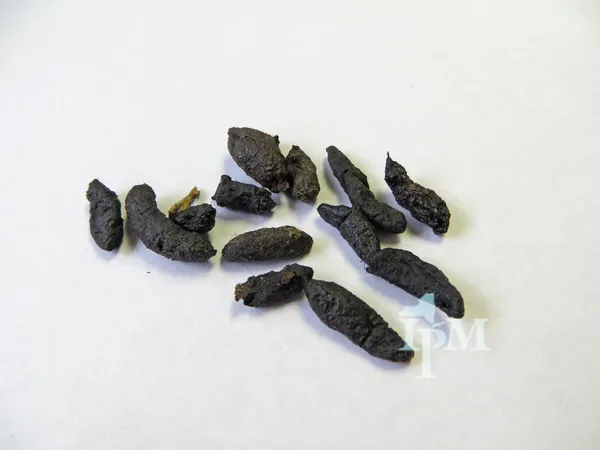
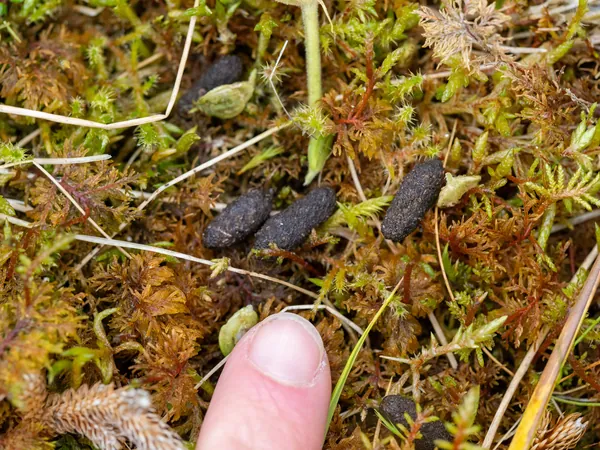

Choose a treatment
Rats travel farther and avoid new objects more than mice, so the plan grows quickly from trapping to sealing the whole building.
Remove food and cover
Do it yourself
- Put tight lids on garbage, compost and pet food bins. Pick up fallen fruit, nuts and pet waste. Don't leave pet food or birdseed out overnight.
- Thin shrubs to about 2 feet from the house, pull ivy off walls, and trim limbs that overhang the roof.
- Walk the foundation and roofline and seal any gap over 1/4 inch with sheet metal, hardware cloth or mortar, so they don't move indoors.
- If you see burrows, set snap traps beside them inside a covered box so pets and birds can't reach them, and set them at night.
Professional
Not usually needed if the source (bird feeder, compost, fallen fruit) is obvious and you remove it. A professional inspection helps if burrows keep reappearing.
Seal, then trap heavily
Do it yourself
- Seal the building first: every gap over 1/4 inch, door sweeps on garage and basement doors, 1/2 inch metal mesh over vents. Never use chicken wire.
- Set snap traps 10 to 20 feet apart along walls and runways. Norway rats: trigger end against the wall. Roof rats: fasten traps to shelves, beams and pipes.
- Bait with a pea-sized amount of peanut butter, nuts or dried fruit. If bait vanishes from every trap, double the number of traps.
- Clean droppings with disinfectant and paper towels; never sweep or vacuum.
Professional
A technician inspects for entry points, seals what you can't reach, and sets traps or tamper-resistant bait stations along the outside of the building.
Professional exclusion
Do it yourself
- Keep trapping in the attic along beams and runways if you can reach them safely.
- If you use a rodenticide, use only a ready-to-use, tamper-resistant bait station placed where children and pets can't reach it. Read and follow the label; the label is the law. Rats that die in walls can cause odor problems.
- Don't use foggers, smoke cartridges or ultrasonic devices.
Professional
Night noise and droppings up high usually mean roof rats entering at the roofline. Expect a full exterior inspection, sealing at soffits, vents, roof edges and utility entries, trapping inside, and follow-up visits to check traps.
Call a professional now
Do it yourself
- Remove all accessible food and garbage, and keep children and pets away from any burrows or bait.
- Don't pull insulation or clean heavy droppings until the area has been aired out, and then use the CDC wet cleanup method with gloves.
Professional
Daytime sightings and many burrows point to a large population. A professional combines exclusion, sanitation advice, trapping and, where the label allows, bait stations within 50 feet of the building. Gnawed wiring should also be checked by an electrician.
All rodenticides are toxic to children and pets, and dogs can be poisoned by eating a poisoned rat. If any bait is used, it must be in a tamper-resistant station; pick up dead rats promptly with a bag over your hand.
Report rats to your landlord in writing with photos. In many cities rats are also a code matter; your local health department can tell you who is responsible.
Throw out any food that rats may have touched or gnawed, and disinfect shelves before restocking.
When to call a professional
Call a professional if you see burrows along the foundation, rats in daylight, droppings in the attic, or gnawed wiring, or if rats are still active after a few weeks of trapping. Exclusion for roof rats often means work at the roofline. Ask for a written plan that covers sealing and sanitation, not just bait boxes, and ask which active ingredient they use.
Questions
What is the best way to get rid of rats?
Combine three things: seal the openings, remove food and cover around the house, and trap with many snap traps along their runways. Any one alone usually fails.
What is the best bait for rat traps?
UC IPM lists peanut butter, nuts, dried fruit, bacon and dry pet food. Use a pea-sized amount so rats have to work at the trigger.
Why aren't the rats going into my traps?
Rats can take days to weeks to accept new objects. Put traps right on runways along walls, and if bait keeps vanishing, double the number of traps until some bait is left, then set them all.
Is rat poison safe around dogs?
No rodenticide is safe for pets. Dogs can be poisoned by eating bait or a poisoned rat. If you use bait, keep it in a tamper-resistant station, follow the label, and pick up dead rats quickly.