What rat droppings look like
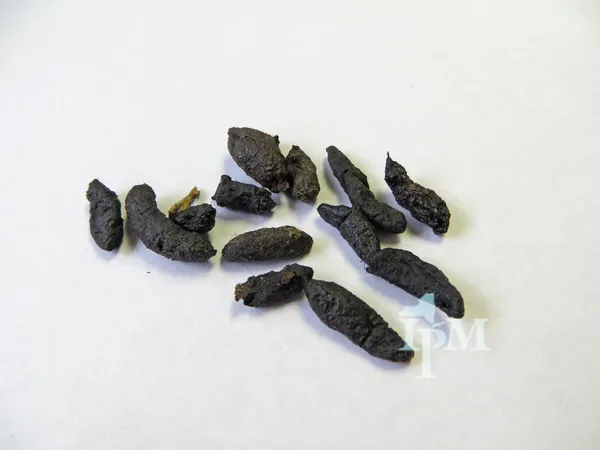
Rat droppings are dark, smooth pellets far bigger than a mouse's: Norway rat droppings are 3/4 to 1 inch long with blunt ends, about the size of a raisin, and roof rat droppings are 1/4 to 1/2 inch, curved and pointed.
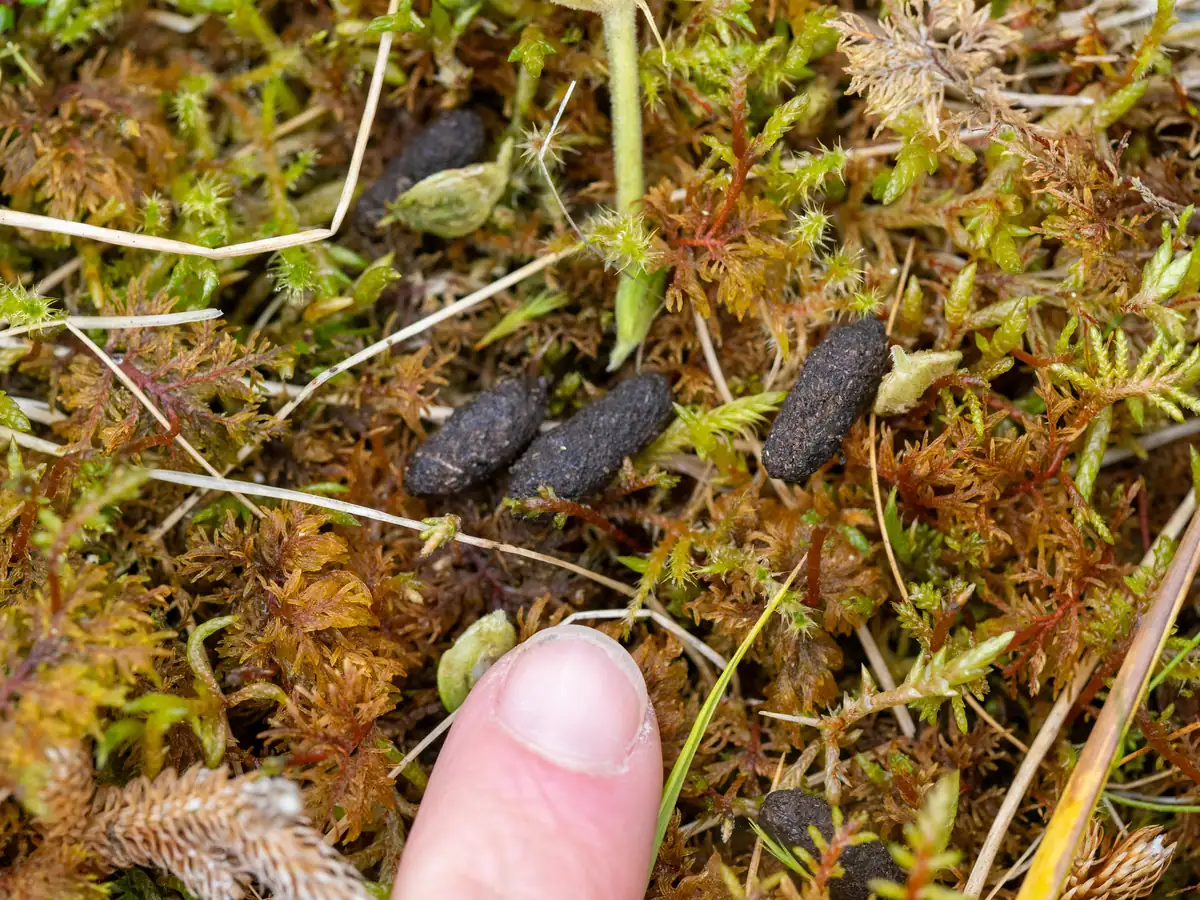
How to recognize rat droppings
Rat droppings are smooth and dark, black to dark brown when fresh and gray and dull as they dry. The two US house rats leave different droppings.
- Norway rat droppings are thick, 3/4 to 1 inch long, with blunt ends, about the size of a raisin. You find them in basements, garages, crawlspaces and along the outside of the foundation.
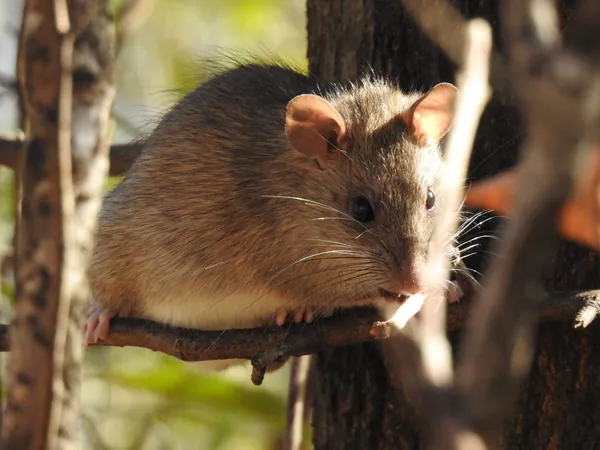
- Roof rat droppings are shorter and slimmer, 1/4 to 1/2 inch long, curved like a banana with pointed ends. You find them in attics, on top of cabinets and shelves, along beams and under fruit trees.
The University of Arizona cautions that droppings alone are not a reliable way to tell the species apart. Combine them with where they are and the other signs below.
Rat or mouse droppings
Mouse droppings are 1/8 to 1/4 inch, about a grain of rice. Small roof rat droppings overlap that range at the low end, so look at the largest pellets in the group: if any are 1/2 inch or longer, it is a rat. Cockroach droppings look blunt like a rat's but are smaller and have ridges along their length; rodent droppings are smooth. The side-by-side is on rat vs mouse droppings.
Norway rat vs roof rat
| Norway rat | Roof rat | |
|---|---|---|
| Build | Large, heavy | Sleek, agile |
| Weight | 7–18 oz | 5–10 oz |
| Snout | Blunt | Pointed |
| Ears | Small; don't reach the eyes when folded | Large; reach the eyes |
| Tail | Shorter than head and body; dark above, pale below | Longer than head and body; dark all over |
| Belly | Mostly gray | Gray to white |
| Nests | Burrows by foundations, woodpiles, garbage | Trees, ivy, attics, wall and ceiling voids |
| Indoors | Basements, ground floor | Attics, upper floors |
| Droppings | 3/4–1 in, blunt | 1/4–1/2 in, curved, pointed |
Other signs of rats
- Gnaw marks on wood, plastic and wiring, and gnawed fruit or nuts under trees (roof rats).
- Dark, greasy smudge marks along beams, rafters, pipes and walls. Roof rat smudges are often up high, between rafters.
- Burrows along foundations, under garbage cans, compost and decks (Norway rats).
- Scurrying in the attic or ceiling at night. Sounds are often the first sign of roof rats. See sounds in walls.
- Rats running along utility lines or fence tops at dusk.
Is it safe to clean rat droppings
Treat rat droppings the same way the CDC says to treat any rodent droppings, since rodents spread hantavirus and other diseases through urine, droppings and nests. Air the space out for 30 minutes, wear gloves, soak droppings with disinfectant or a fresh 1:9 bleach solution, wait 5 minutes, and wipe up with paper towels. Never sweep or vacuum. The full steps are on the mouse droppings page; they are the same for rats.
What to do next
Rats need a 1/2 inch gap to get in and travel 100 feet or more from the nest, so control means sealing the building and trapping along their routes. See how to get rid of rats.
Where in the US
Norway rats are the more widespread of the two and turn up in cities, suburbs and farm areas across much of the country, wherever there is food waste and soil to burrow in. They are not well established in some hot, dry areas such as Arizona. Roof rats are a warm-climate species: they are established in most coastal and southern states, along the lower East Coast, through the Gulf States, up the Pacific Coast and in Hawaii, with small isolated populations elsewhere.
Photos

Often mistaken for
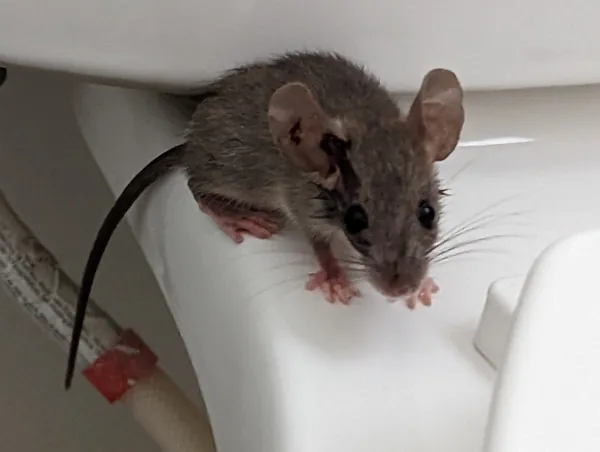
Photo: Justin via iNaturalist, CC BY 4.0
House mouse
Body 6.5–9.5 cm plus a tail about as long
Much smaller, about 1/2 oz; droppings 1/8–1/4 inch, like a grain of rice.

Photo: Mila C. via iNaturalist, CC BY 4.0
Eastern gray squirrel
40–50 cm including the bushy tail
Bushy tail, active by day; attic noise mostly in early morning and daylight.

Photo: Diana Foreman via iNaturalist, CC0 1.0 (public domain dedication)
Virginia opossum
60–90 cm including the bare tail
Cat-sized with a white face and bare pink tail; scat much larger.
When to call a professional
Call a professional if you find burrows along the foundation, droppings in the attic, or gnawed wiring, or if rats keep coming back after you seal and trap. Rats are wary of new objects, travel farther than mice and can enlarge gaps by chewing, so exclusion often needs ladders, sheet metal and hardware cloth at the roofline and foundation.
Questions
How big are rat droppings?
Norway rat droppings are 3/4 to 1 inch long with blunt ends. Roof rat droppings are 1/4 to 1/2 inch, curved and pointed. Mouse droppings are 1/8 to 1/4 inch.
Are rat droppings dangerous?
Rodent urine and droppings can carry hantavirus and other germs. Don't sweep or vacuum them; soak them with disinfectant, wait 5 minutes, and wipe up with paper towels while wearing gloves.
How can I tell if it is a Norway rat or a roof rat?
Look at the tail and ears. A roof rat's tail is longer than its head and body and its ears reach its eyes; a Norway rat's tail is shorter and its ears are small. Roof rats live high, Norway rats low.
Do I have rats or squirrels in the attic?
Rats are active at night. Squirrel noise is mostly in early morning and daylight hours. Rat droppings are scattered along runways; look for them near the noise.