How to get rid of fleas
To get rid of fleas, treat every pet with a vet-recommended flea product and clean the home at the same time: vacuum daily, wash pet bedding in hot water weekly, and spray resting areas with a product containing an insect growth regulator.
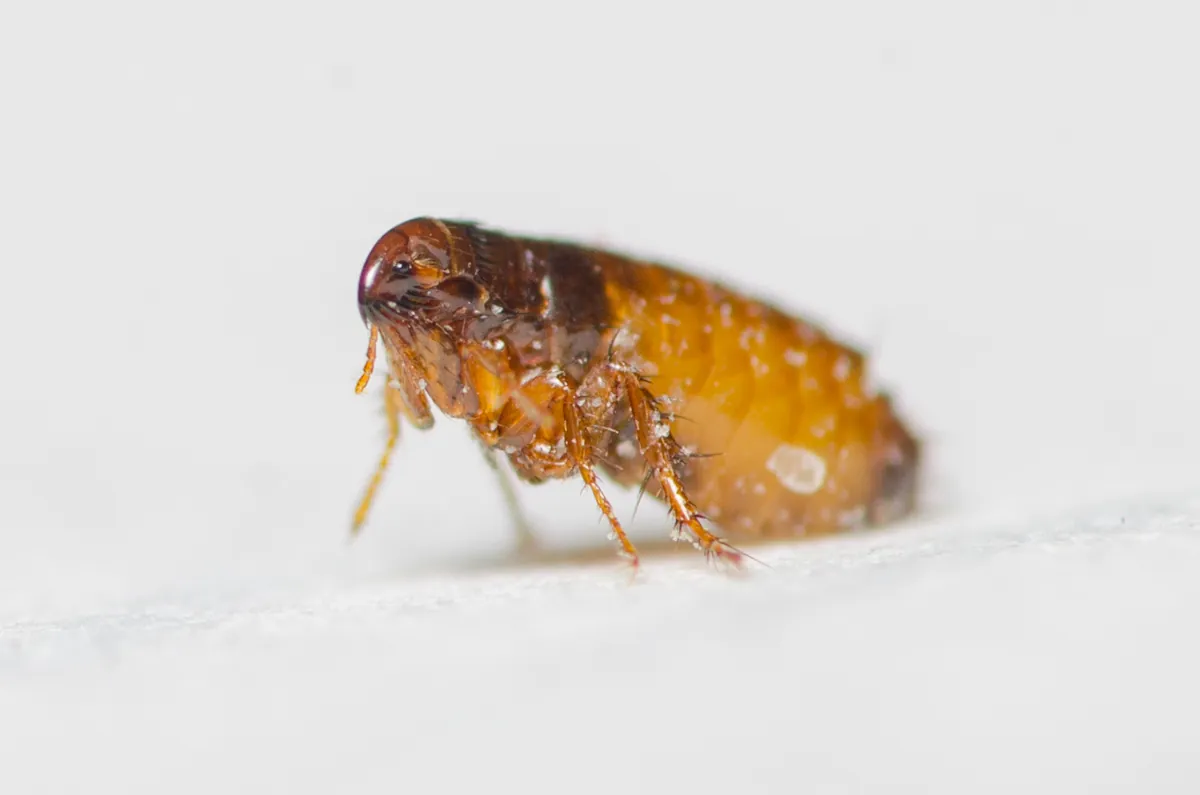
Why pets and home have to be treated together
Adult fleas on the pet are only a small part of the problem. Eggs drop into carpet and bedding, larvae live at the base of carpet fibers, and pupae sit in cocoons that insecticides do not penetrate. Treating only the pet leaves a steady supply of new fleas; treating only the house leaves the pet laying fresh eggs. Do both in the same week.
Step 1: Treat every pet, with your veterinarian's advice
Ask your veterinarian which product suits each animal. Modern monthly spot-ons and oral chewable tablets are the most effective options, and some kill fleas within hours. Flea collars that release an insect growth regulator stop eggs from developing. Treat every dog and cat in the house, not just the itchy one, and keep it up year-round as the CDC advises.
Use each product only on the species and weight range on its label. Do not treat kittens or puppies unless the label allows it, and watch the pet for side effects after the first dose.
Never put a dog flea product on a cat. Some dog spot-ons contain high concentrations of permethrin, and cats break this pyrethroid down very slowly. Accidental exposure of cats to 45–65% permethrin products has caused tremors, seizures and death. UC IPM also warns never to use amitraz products on cats. If a cat may have been exposed, call your veterinarian right away.
Shampoos, dips and powders kill the fleas on the animal that day but do not prevent new ones. Brewer's yeast, garlic, herbal collars and ultrasonic devices do not work, and essential oils are not recommended for pets.
Step 2: Clean the home
- Vacuum carpets, rugs, upholstered furniture and cracks along baseboards every day or every other day. Frequent vacuuming removes up to 95% of flea eggs plus many larvae and adults, and the vibration coaxes adults out of their cocoons, where treatments can reach them. Empty the canister or seal the bag outdoors.
- Wash pet bedding, blankets and throw covers in hot, soapy water at least once a week.
- Steam extraction carpet cleaning kills all flea stages in the carpet it reaches.
Step 3: Spray where the pet rests
Choose a home flea spray that contains an insect growth regulator (IGR) such as methoprene or pyriproxyfen, usually combined with an adult-killing insecticide. Sprays without an IGR often miss larvae deep in carpet. Treat carpet, pet resting areas, and under and around furniture. Keep people and pets off treated areas for as long as the label directs. Read and follow the label; the label is the law.
Skip total-release foggers ("bug bombs"). They settle on open surfaces and miss the places where larvae hide, and some contain flammable ingredients.
Step 4: Wait out the cocoons
Fleas keep emerging for about 2 weeks after a good treatment, because nothing kills the pupae inside their cocoons. Keep vacuuming every day or two. If you still see adult fleas after 4 weeks, retreat the home and check with your veterinarian about the pet's product.
Step 5: The yard, only if needed
Fleas outdoors live in shaded, moist spots where pets rest, not in sunny lawn. To check, walk those spots in white socks pulled to the knee and look for jumping fleas. If you find them, treat only doghouses, dog runs, under decks and along foundations. Outdoor cat fleas are often resistant to pyrethroids such as permethrin, so an IGR such as pyriproxyfen is the better choice. Mow, rake out debris and avoid overwatering.
Stop the reinfestation
Raccoons, opossums, feral cats and squirrels carry fleas. Seal openings under decks and into crawl spaces and attics, keep pet food indoors, and keep trash lids tight. If wild animals are already living in the house, have them removed before you treat.
Choose a treatment
Fleas always need the pet and the home treated together; severity changes how hard you clean, how long you keep at it, and when a professional is worth it.
Treat every pet, start vacuuming
Do it yourself
- Ask your veterinarian for a flea product for each dog and cat in the house, matched to species and weight. Never use a dog product on a cat.
- Vacuum carpets, rugs and furniture where pets rest every day or two for 2 weeks; empty the canister outdoors.
- Wash pet bedding in hot, soapy water.
- Comb the pet over a white towel weekly and do the water test on any dark specks to track progress.
Professional
Not needed at this stage. Your veterinarian is the right professional: a modern spot-on or oral product, used year-round, usually stops a light problem before it reaches the home.
Treat pets and home together
Do it yourself
- Start every pet on a vet-recommended product the same week you treat the home.
- Vacuum daily for 2–3 weeks, including under furniture cushions and along baseboards. Steam-clean carpets if you can.
- Wash all pet bedding, blankets and throws in hot water weekly.
- Spray carpets, pet resting areas and under furniture with a flea spray that contains an insect growth regulator (methoprene or pyriproxyfen) plus an adult-killing insecticide. Read and follow the label; the label is the law.
- Do not use total-release foggers.
Professional
A professional treats carpets, furniture and pet resting areas in one visit, usually with an insect growth regulator plus an adulticide, and asks you to vacuum before and after. Pets still need their own vet-recommended product.
Full program, then wait 2 weeks
Do it yourself
- Do everything in the level above, on the same day.
- Expect new adult fleas for about 2 weeks while cocoons hatch; keep vacuuming every day or two, because vibration brings them out where the treatment works.
- Check shaded pet resting spots outdoors with white knee socks. If fleas jump on, treat only doghouses, dog runs, under decks and along foundations, preferably with an IGR such as pyriproxyfen.
- Seal openings that let raccoons, opossums or feral cats under the house.
Professional
Worth considering for a large or heavily carpeted home. A professional can treat indoors and outdoor resting areas together and return for a follow-up treatment after 2–4 weeks.
Call a professional
Do it yourself
- Ask your veterinarian whether the pets' product is working or should be changed; resistance makes some older products less effective.
- Keep vacuuming and washing bedding while you arrange help.
- Do not stack extra pesticide treatments or apply pet products more often than the label allows.
Professional
A pest professional inspects for the source, treats the home and outdoor resting areas, and schedules a follow-up. If raccoons, opossums or squirrels are living in the attic, crawl space or under a deck, a wildlife control company removes them and seals the entry points first; check your state wildlife agency's rules on trapping.
Never put a dog flea product on a cat: some contain high levels of permethrin, which can cause tremors, seizures and death in cats. Keep children and pets off treated floors and furniture for as long as the label directs. If a pet reacts to a product, bathe it with mild soap, rinse well, and call your veterinarian.
Tell your landlord in writing if you find fleas, especially if you have just moved in. Fleas left by a previous tenant's pets can wait in cocoons for months in a vacant unit.
When to call a professional
A pest professional is worth calling if fleas persist after 4 weeks of pet treatment, vacuuming and an IGR spray, if the home is large or heavily carpeted, or if you are moving into a vacant house with fleas. A professional treats carpets, furniture and outdoor resting areas in one visit and can schedule a follow-up. Have every pet treated on the same schedule so the home is not reinfested.
Questions
How long does it take to get rid of fleas?
Expect at least 2 to 4 weeks. Fleas keep emerging from cocoons for about 2 weeks after treatment, and a heavy infestation can take several months to clear.
Can I use my dog's flea treatment on my cat?
No. Some dog products contain high levels of permethrin, which can cause tremors, seizures and death in cats. Use only products labeled for cats, at the cat's weight, and ask your veterinarian.
Do flea bombs work?
Not well. Total-release foggers miss the places larvae hide, under furniture and deep in carpet, and some ingredients are flammable. Direct sprays with an insect growth regulator work better.
Does vacuuming kill fleas?
Vacuuming removes up to 95% of flea eggs and many larvae and adults, and it makes adults leave their cocoons sooner. Empty the canister or seal the bag outdoors afterward.