How to get rid of mice
To get rid of mice, seal every gap larger than 1/4 inch, set snap traps along walls where you find droppings, and remove food and clutter; poison is a last resort that belongs only in tamper-resistant bait stations.
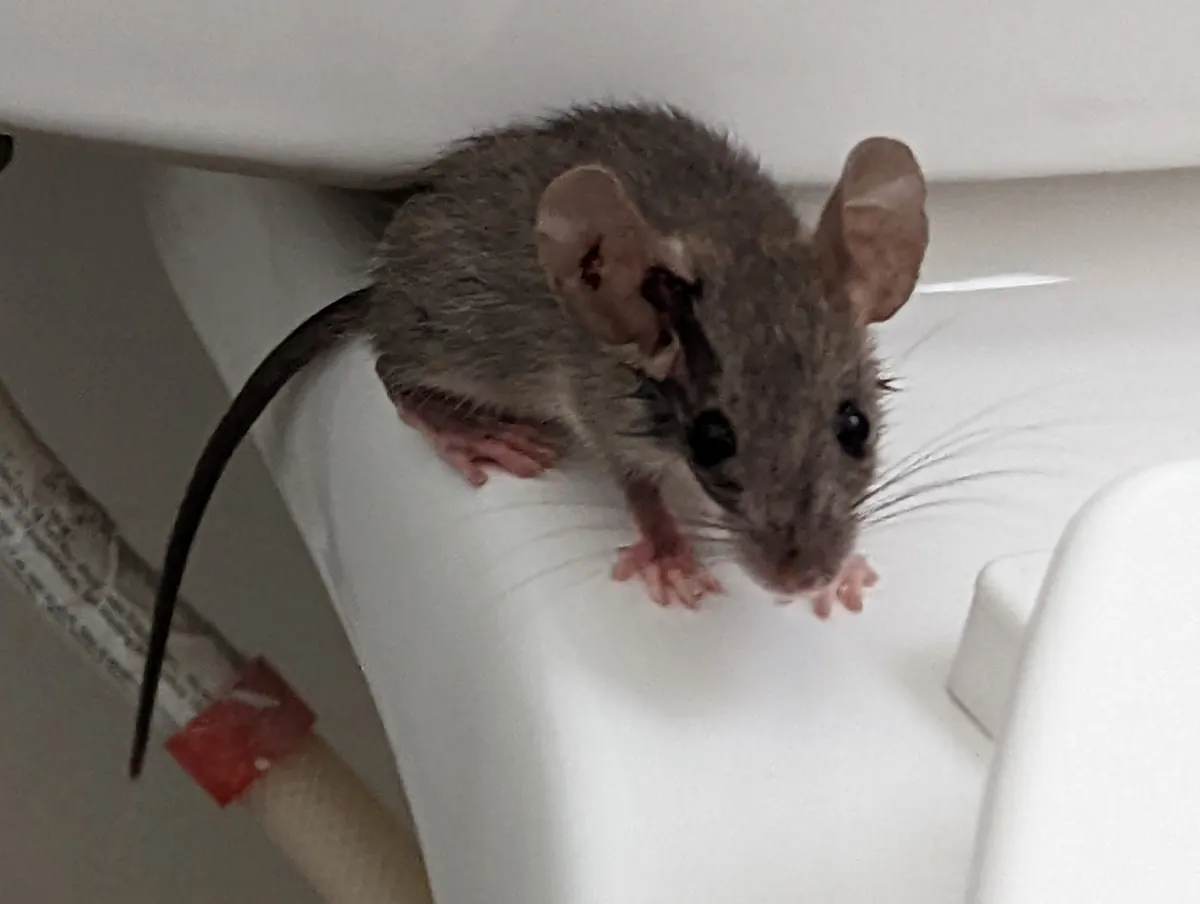
Step 1: Find where they are
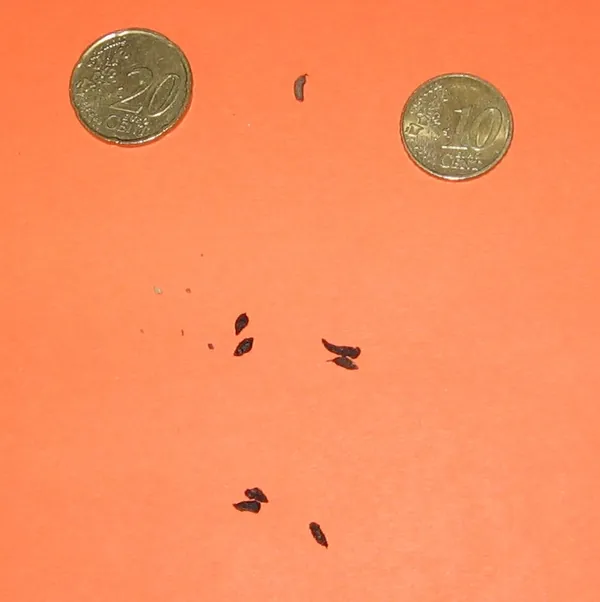
Mice usually stay within about 30 feet of their nest, so droppings show you where to work. Look along the walls of the kitchen, under the sink, behind the stove and refrigerator, in drawers, in the pantry and in the garage. Note fresh gnaw marks, shredded paper or insulation, and greasy rub marks around holes and pipes. Clean up droppings as you go using the wet method on the mouse droppings page, so new ones stand out.
Step 2: Seal the way in
Trapping without sealing means new mice keep replacing the ones you catch. A mouse can slip under a gap 1/4 inch tall and through an opening 3/8 inch wide, about the width of a pencil.
- Walk the outside of the house and check where pipes, wires, dryer vents and gas lines enter, gaps under doors and garage doors, foundation cracks, and gaps around window air conditioners.
- Seal openings with materials mice cannot chew: hardware cloth, sheet metal, concrete or mortar. Copper mesh or coarse steel wool packed tightly works as a plug, sealed in with caulk. Steel wool rusts in time.
- Plastic, rubber, vinyl, foam and wood alone do not hold. Mice chew through them.
- Fit door sweeps on exterior doors, including the door from the garage.
Step 3: Trap
UC IPM and Penn State both rate snap traps as the safest and most effective method for homes.
- Use plenty. Space traps no more than about 10 feet apart in active areas, and set some in pairs 1 to 2 inches apart.
- Put them where mice run: along walls, behind objects, in dark corners and right where droppings are. Set the trigger end against the wall.
- Bait with a small dab of food mice are already eating. Peanut butter works, but skip it if anyone in the home has a peanut allergy. Cotton balls or dental floss tied to the trigger work as nesting bait.
- Set the trigger lightly. Wide-trigger traps catch more mice.
- Keep traps out of reach of children and pets, or inside a covered box with a mouse-sized hole.
- Check daily. Wear gloves, put dead mice in a sealed plastic bag in the trash, and wash your hands.
Glue boards are not recommended. Penn State notes they leave a live, stressed animal that may bite, and adult mice often avoid them.
Step 4: Remove food and shelter
Store food, birdseed and pet food in hard containers with tight lids. Don't leave pet food out overnight. Keep garbage lidded, wipe up crumbs, and fix dripping taps. Clear clutter in basements and garages, and cut back plants touching the house.
What about poison
Rodenticides are a last resort indoors, and Penn State advises avoiding them inside homes. A mouse that eats bait can die inside a wall and cause an odor problem. Baits also put children, pets and wildlife at risk.
If you use them, the EPA rules for consumer products apply: bait must come in a ready-to-use, tamper-resistant bait station with block or paste bait. Loose pellets are no longer allowed in consumer products, and second-generation anticoagulants are no longer sold to consumers because they pose greater risks to animals that eat poisoned rodents. Put stations where children and pets can't reach them, read and follow the label (the label is the law), and remove leftover bait when the problem is over.
Ultrasonic devices, foggers and bug sprays do not solve a mouse problem. Foggers and sprays are made for insects and do nothing to rodents.
How long it takes
Keep traps set and keep checking for fresh droppings. When a couple of weeks pass with no catches and no new droppings, the problem is likely over; leave a few traps in place near former hot spots. Use the chooser below to match the plan to what you are seeing.
Photos

Choose a treatment
The more droppings and the more rooms involved, the more traps you need and the more likely the entry points are hard to find without help.
Seal, trap, watch two weeks
Do it yourself
- Clean up droppings with the wet method: air the room out for 30 minutes, soak with disinfectant or a 1:9 bleach solution, wait 5 minutes, wipe with paper towels. Never sweep or vacuum.
- Set 4 to 6 snap traps along the walls where you found droppings, trigger end against the wall, baited with a small dab of food.
- Check under sinks, behind the stove and refrigerator, and where pipes enter walls for gaps over 1/4 inch. Pack with copper mesh or coarse steel wool and seal with caulk.
- Store food and pet food in hard, lidded containers.
Professional
Not usually needed. A one-time inspection can be worth it if you cannot find how the mouse got in.
Trap heavily, seal outside
Do it yourself
- Set traps no more than about 10 feet apart along every wall in the active area, some in pairs 1 to 2 inches apart. A dozen or more is normal.
- Walk the outside of the house and seal every gap over 1/4 inch with hardware cloth, sheet metal or mortar. Fit door sweeps, including on the garage door to the house.
- Remove clutter, cardboard and stored paper from the area, and keep pet food and birdseed sealed.
- Re-check daily, dispose of mice in a sealed bag, and keep trapping until a couple of weeks pass with no new droppings.
Professional
A technician inspects the exterior, seals entry points and sets traps or tamper-resistant bait stations. Exclusion work is often priced separately from trapping visits.
Get exclusion help
Do it yourself
- Keep trapping where you can safely reach, and keep food sealed.
- If you use a rodenticide, use only a ready-to-use, tamper-resistant bait station, placed where children and pets cannot reach it. Read and follow the label; the label is the law. Expect some mice to die in wall voids.
- Never use loose pellets, foggers or bug sprays for mice.
Professional
At this level mice are usually nesting in wall voids, ceilings or crawlspaces and getting in at the roofline or foundation. A professional seals entry points, including high ones, traps inside, and may use bait stations outside within the label's distance from the building.
Professional cleanup and exclusion
Do it yourself
- Don't sweep, vacuum or dry-dust anything. Keep children and pets out of the area.
- If you must enter, air the space out for at least 30 minutes first and wear gloves. The CDC advises extra protection for heavily infested spaces.
Professional
A pest professional handles exclusion and trapping. Contaminated insulation may need to be bagged and removed, which some pest and restoration companies do. Ask how they will avoid stirring up dust during cleanup.
Snap traps can hurt small fingers and paws. Put them inside covered boxes or behind appliances. Any rodenticide must be in a tamper-resistant station out of reach, and dead rodents should be picked up promptly so pets cannot eat them.
Tell your landlord in writing, with dates and photos of droppings. Sealing the building's exterior is normally the owner's job.
Throw out any food that mice may have touched, and disinfect counters and shelves before putting food back.
When to call a professional
Call a professional if you keep catching mice after three or four weeks of sealing and trapping, if you can't find or reach the entry points (roofline, soffits, crawlspaces), or if there are droppings in a food business. Professionals can use tamper-resistant bait stations and products not sold to consumers, and many do exclusion work as well. Ask for a written plan that includes sealing, not bait alone.
Questions
What is the fastest way to get rid of mice?
Lots of snap traps at once, placed along walls where droppings are, plus sealing the gaps they use. One or two traps in the middle of a room catch very little.
What is the best bait for mouse traps?
A small amount of a food the mice are already eating. Peanut butter is popular; cotton or dental floss works as nesting bait in cold months.
Do ultrasonic repellers work on mice?
UC IPM reports that rats quickly get used to ultrasonic and high-frequency devices. They are not a substitute for sealing and trapping.
Is mouse poison safe to use with kids and pets?
All rodenticides are toxic. If you use one, the EPA requires consumer products to come in tamper-resistant bait stations; place them where children and pets cannot reach and follow the label.