What is making noise in my walls
Light scratching and scurrying inside walls or ceilings at night is most often mice or rats; daytime running in the attic points to squirrels, heavy thumping at night to raccoons, and stirring around dusk to bats.
Start with when you hear it
Time of day is the best first clue, because each animal keeps its own schedule. For three or four days, jot down when the noise happens, what it sounds like and where in the house it seems to come from. Then compare your notes with the table.
| When | What it sounds like | Most likely |
|---|---|---|
| Night, any hour | Light scratching, scurrying, gnawing, quiet squeaks | Mice or rats |
| Night, in attic or ceiling | Scurrying overhead, up high | Roof rats |
| Early morning and daylight | Running, gnawing, pattering in the attic | Tree squirrels |
| Night | Heavy walking, thumping, creaking on joists | Raccoons or opossums |
| Day, in attic | Loud chattering, growls, chirps from a den | Raccoon with young |
| Around dusk | Squeaks, clicks, rustling before bats fly out | Bats |
| Any time | Faint, dry rustling, louder when you tap the wall | Carpenter ants |
| Chimney | Scratching; chirping | Birds, squirrels, raccoons; raccoon young |
The Internet Center for Wildlife Damage Management cautions that sounds alone are not an accurate way to identify the animal. Use them to decide where to look, then confirm with droppings, chewing or a sighting.
Mice and rats
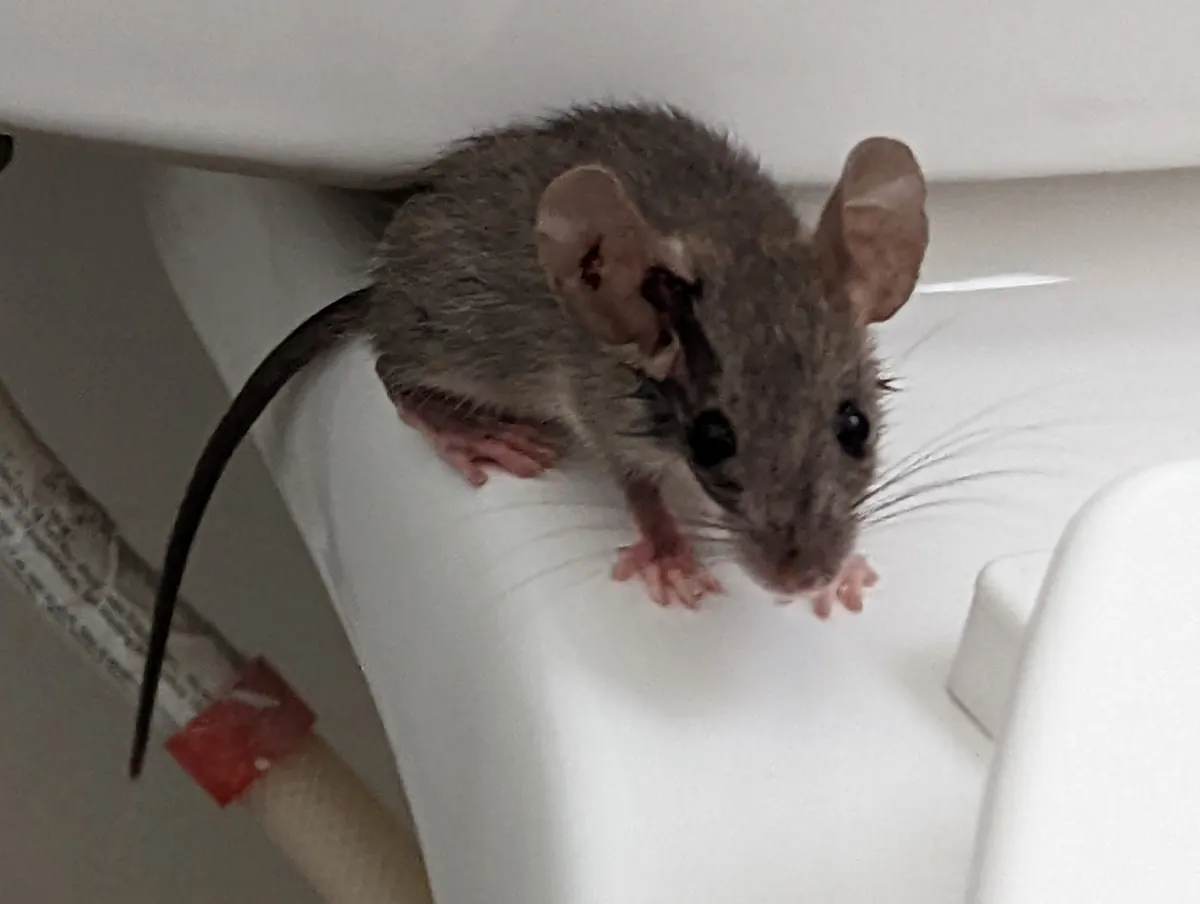
Mice and rats make the most common wall noises: scratching, scurrying along the wall or ceiling, and gnawing on wood. Their squeaks are quiet and often muffled by insulation. You can hear them day or night, but most activity is after the house goes quiet. Roof rats live up high, and noise in the attic at night is often the first sign of them. Check under sinks, behind appliances and along baseboards for droppings: mouse droppings are 1/8 to 1/4 inch and pointed; rat droppings are 1/2 inch or longer.
Squirrels
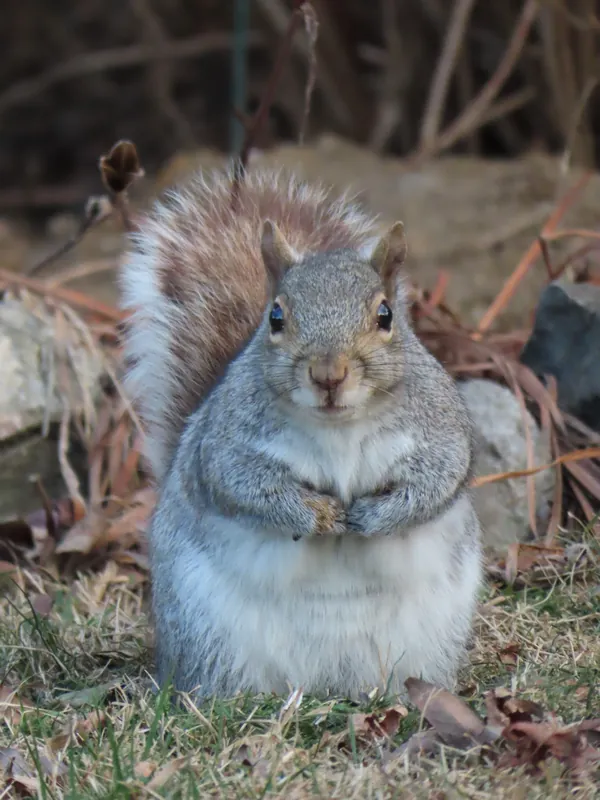
Tree squirrels keep daytime hours. Connecticut's wildlife agency says gnawing, scratching and pattering sounds in early morning or daylight usually signal squirrels. Look for torn insulation, leaves and twigs bundled into a nest, and chewed holes at eaves, vents and dormers. Flying squirrels also get into attics, through small holes around dormers, ridge vents and eaves.
Raccoons and opossums
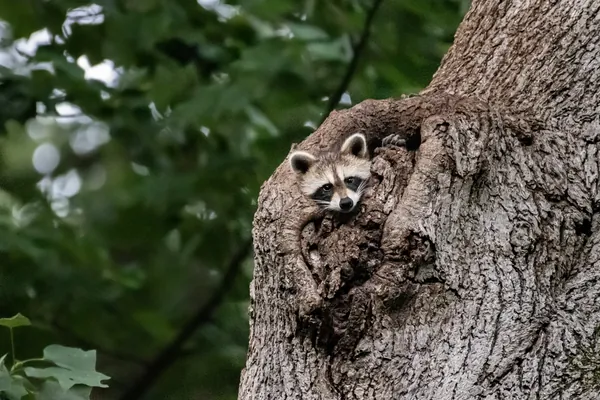
Heavy walking in the attic usually means a raccoon or opossum, both large animals active at night. A raccoon mother with young may make loud chattering, growls or grunts during the day, with shuffling and creaking on the ceiling joists. Adults leave at dusk to feed.
Bats
Bats are quiet most of the day. Washington's wildlife agency notes that many species make squeaks or clicks just before they leave the roost in the evening, and colonies start leaving at about dusk; the last bat is usually out within an hour of the first. To confirm, watch the roofline on a warm evening and look for rice-sized black droppings stuck to the siding below a gap. Do not seal openings in summer: the University of Missouri warns that exclusion between mid-May and mid-August traps young bats inside.
Carpenter ants and termites
An active carpenter ant colony inside a wall makes a dry, rustling sound that gets louder when you tap the wall and press your ear to it. Coarse sawdust below a wall or window frame, 20 or more worker ants seen indoors regularly, or many winged ants indoors in late winter and spring back it up. Don't rely on sound for termites; check for the visible signs instead. See carpenter ants and signs of termites.
When it is not an animal
Sounds that repeat on a steady beat, or only when it is windy or when siding heats up in the late afternoon, are often mechanical: a smoke alarm chirping, pipes expanding, or vinyl siding moving.
What to do next
Don't seal a hole until you know nothing is inside. Trapping an animal in a wall causes more damage and odor, and bats and many birds are protected, so check the rules first. For mice and rats, start with how to get rid of mice or how to get rid of rats. For squirrels, raccoons and bats, check your state wildlife agency's rules before trapping or excluding.
Photos
When to call a professional
Call a professional when you hear heavy animals (raccoons, opossums), when noise continues after you seal and trap for mice, or when you suspect bats. Wildlife control operators can do one-way exclusion that lets animals leave but not return, and they know your state's rules on trapping and on bat exclusion timing. Gnawing near wiring is worth an electrician's look as well.
Questions
What does it mean if I hear scratching in the walls at night?
Most often mice or rats. Look for droppings under sinks, behind appliances and along baseboards to confirm, then seal gaps and set snap traps.
Is it mice or squirrels in my attic?
Squirrels are noisiest in early morning and during the day; mice and rats mostly at night. Squirrels also leave nests of leaves, twigs and torn insulation.
Why do I hear noises in my walls at dusk?
Bats often squeak or click just before leaving the roost around dusk. Watch the outside of the house at dusk to see if bats fly out of a gap.
What makes a rustling sound inside a wall?
A dry rustling that gets louder when you tap the wall and press your ear to it is a sign of a carpenter ant colony. Look for coarse sawdust and large ants nearby.
Sources
- Identifying Noises Caused by Wildlife in Structures (ICWDM)
- Animal Vocalizations (Wildlife Illinois, IDNR)
- Problems With Squirrels (Connecticut DEEP)
- Living With Wildlife: Bats (Washington Department of Fish and Wildlife)
- Bats of Missouri: Information for Homeowners (University of Missouri Extension)
- Carpenter Ants (University of Minnesota Extension)