How to get rid of bed bugs
To get rid of bed bugs, combine methods: dry bedding and clothes on high heat, vacuum seams and cracks, encase the mattress and box spring, trap bugs under bed legs, and for most infestations hire a professional. Bug bombs don't work.
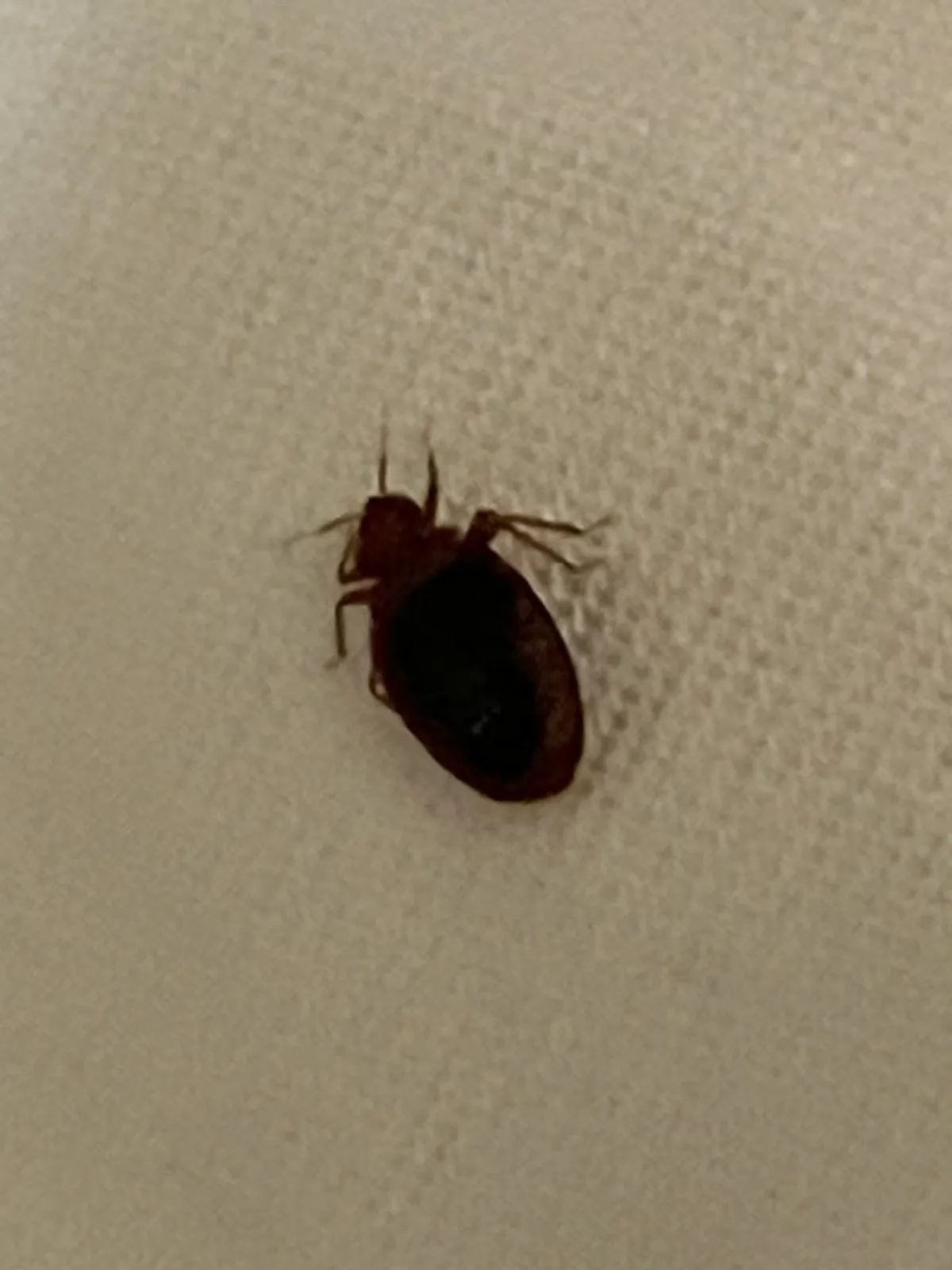
First, confirm it is bed bugs
Bat bugs, carpet beetles and booklice are regularly mistaken for bed bugs, and each needs a different plan. Capture a bug on clear tape or in a sealed bag and compare it on bugs that look like bed bugs, or have an extension office or pest professional identify it. Bites alone are not proof.
Laundry and the dryer
Strip the bed and bag everything from the room before you carry it to the machine, so bugs don't drop along the way. Wash in hot water (at least 120°F) and then tumble dry on high. A loosely filled dryer on high kills every stage, eggs included, in about 30 minutes, and dry items need less time than wet ones. Shoes, backpacks, stuffed toys and dry-clean-only fabrics can often go straight into a hot dryer. Keep cleaned items in sealed bags until the problem is over.
Vacuum, then steam
Vacuum mattress seams, the box spring, bed frame joints, carpet edges and baseboards. Scrape the nozzle slowly along each seam. Vacuuming pulls up bugs and eggs but seldom reaches deep hiding spots. Seal the bag or the canister contents in plastic and put it in an outdoor trash can straight away.
A steamer reaches into fabric and cracks where you can't spray. The surface must reach at least 130°F, so move the head slowly, and use a diffuser tip so the jet doesn't blow bugs across the room. Steam kills on contact but leaves nothing behind.
Encase the mattress and box spring
Zippered encasements made for bed bugs trap any bugs inside, where they eventually starve, and give remaining bugs fewer places to hide. Encase both the mattress and the box spring and leave them zipped shut well after the last bug is gone. They don't stop a bug outside the cover from biting.
Trap and isolate the bed
Put interceptor cups under each bed leg, pull the bed a few inches from the wall, and keep sheets and blankets off the floor. Interceptors caught six times more bugs than visual searches alone in research trials, and they tell you whether treatment is working. Check them weekly.
Cut the clutter, freeze the small stuff
Clutter gives bed bugs places to hide. Bag items you can't heat. Small things can go in a freezer at 0°F for at least three days in a sealed bag; many home freezers don't get that cold, so check with a thermometer. Seal cracks near the bed with caulk. Don't throw out furniture you can treat. If you must discard something, slash the fabric, label it "bed bugs" and have it picked up quickly.
Skip foggers and bug bombs
The EPA says foggers should not be the only tool, because the spray doesn't reach the cracks where bed bugs hide, and too many foggers can cause a fire or explosion. University of California research found total-release foggers ineffective against bed bugs, and Rutgers lists them under methods that waste money. Rubbing alcohol, gasoline and kerosene are dangerous and must never be used.
Pesticides: use with care
Many consumer sprays fail because bed bugs are widely resistant to pyrethroids. If you use a product, pick one registered by the EPA with bed bugs on the label, and treat cracks and seams, not sleeping surfaces. Silica gel or pesticide-grade diatomaceous earth dusts, applied lightly in dry cracks, kill slowly but bugs can't build resistance to them. Do not use pool-grade diatomaceous earth. Read and follow the label; the label is the law.
Professional integrated treatment
For anything beyond a few bugs, a licensed professional is usually the most reliable route. Expect an inspection, then a combination of methods: whole-room heat, steam, targeted crack-and-crevice insecticides of more than one class, dusts, encasements and interceptors, with follow-up visits. Most jobs take more than one visit. See bed bug treatment cost for typical ranges.
Know when you're done
Keep checking interceptors and seams every week. Bed bugs can survive months without a meal, so keep monitoring for a year after the last bug, and call the professional back if you see another one.
Photos
Choose a treatment
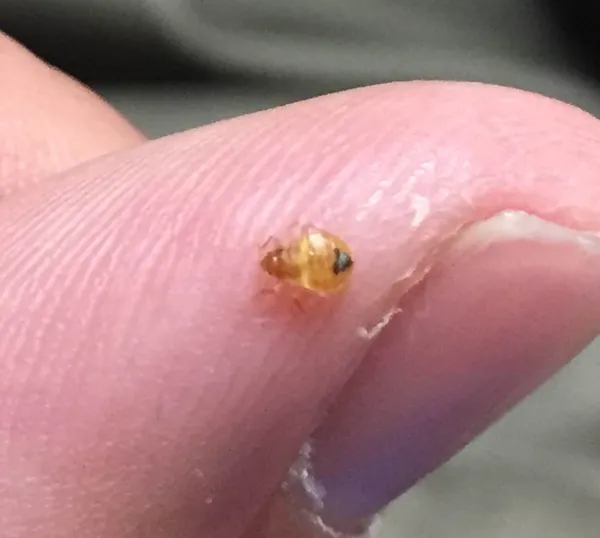
One confirmed bug calls for a careful search and traps; bugs in several places or rooms call for a professional with bed bug experience.
Confirm it, then monitor
Do it yourself
- Capture the bug on clear tape or in a sealed bag and get it identified. Bat bugs, carpet beetles and booklice are common mix-ups.
- Inspect the mattress seams, box spring, bed frame and headboard with a flashlight and magnifier.
- Put interceptor cups under every bed leg, move the bed a few inches from the wall, and keep bedding off the floor.
- Wash bedding in hot water and dry on high heat for 30 minutes.
- If you just travelled, put clothes from the trip straight into a hot dryer.
- Check the interceptors every week for at least a month.
Professional
A professional inspection now is optional but cheap insurance, especially in an apartment. An inspector will confirm the identification and search the bed and nearby furniture.
Treat the bed area thoroughly
Do it yourself
- Bag all bedding and clothing from the room before moving it; wash hot (120°F or more) and dry on high.
- Vacuum seams, joints and cracks slowly; seal the vacuum contents in plastic and put them outside.
- Steam mattress seams, the box spring and frame joints at 130°F or more, using a diffuser tip.
- Zip the mattress and box spring into bed bug encasements.
- Install interceptors under bed legs and check them weekly.
- Freeze small items at 0°F for at least 3 days, or run them through a hot dryer.
- If you use a product, choose an EPA-registered silica gel or pesticide-grade diatomaceous earth dust labeled for bed bugs and apply lightly in dry cracks, not on sleeping surfaces. Read and follow the label; the label is the law.
- Do not use foggers or bug bombs.
Professional
If interceptors still catch bugs after two to three weeks, bring in a professional. Many will treat the bed area with steam, dusts and targeted crack-and-crevice insecticides, then return for a follow-up visit.
Call a bed bug professional
Do it yourself
- Do not move furniture or belongings to other rooms or homes; that spreads bugs.
- Keep sleeping in your bed so bugs stay concentrated where treatment will happen.
- Launder and hot-dry all bedding and clothing from affected rooms, then keep them in sealed bags.
- Keep interceptors under bed legs and encasements on the mattress and box spring.
- Follow the professional's preparation list, and don't apply your own sprays before they arrive.
Professional
Expect a full inspection, then an integrated plan: whole-room heat treatment or steam, crack-and-crevice insecticides of more than one chemical class, desiccant dusts in voids, and encasements and interceptors. Plan on at least one follow-up visit; insecticide-based programs usually need several.
Professional whole-unit treatment
Do it yourself
- Do not use foggers, rubbing alcohol, or any flammable liquid.
- Reduce clutter by bagging items, but don't move them out of the home without a plan from the professional.
- Wash and hot-dry clothing and bedding, and keep them sealed in bags.
- Keep a dated log of where and when you see bugs; it helps the professional target treatment.
Professional
Heavy infestations need a licensed professional with bed bug experience. Options include whole-unit heat with sensors in hard-to-heat spots followed by a residual dust, repeated integrated insecticide treatments, or, in rare cases, fumigation, which means vacating the building for days. In multi-unit buildings, adjoining units and common areas should be inspected and treated together.
Tell your landlord or building manager in writing as soon as you confirm bed bugs. Adjoining units often need inspection too, and many cities and states set rules on who arranges and pays for treatment; check with your local housing or health department.
Heat, steam, laundering, encasements and vacuuming do not use pesticides and are the first choice around children and pets. If insecticides or dusts are used, keep children and pets out until the label says it is safe to return.
If you have asthma or breathing problems, avoid applying dusts yourself, and ask the professional to favor heat and steam. Never use pool-grade diatomaceous earth, which can harm the lungs.
When to call a professional
Call a licensed pest management professional with bed bug experience if you find bugs in more than one room, in furniture other than the bed, or if bites continue after two to three weeks of your own work. In apartments, tell your landlord in writing: neighbouring units usually need inspection and treatment at the same time.
Questions
What kills bed bugs instantly?
Direct heat: steam at 130°F or more and a hot dryer kill bed bugs and eggs quickly. Neither leaves any residual effect, so bugs hidden elsewhere survive.
Do bug bombs work on bed bugs?
No. The spray doesn't reach cracks and seams where bed bugs hide, and overuse can cause fires. The EPA says foggers should not be the sole control method.
Can I get rid of bed bugs myself?
A very small, early infestation sometimes, with heat, encasements, vacuuming and interceptors. Established infestations almost always need professional treatment.
How long does it take to get rid of bed bugs?
Usually several weeks to a few months, with follow-up treatments. Keep monitoring for at least a year after the last bug.
Should I throw out my mattress?
Usually not. Encasing the mattress and box spring is cheaper and traps any bugs inside. A new mattress in an infested room will be reinfested.