How to get rid of groundhogs
To get rid of groundhogs, fence them out with a 3–4 foot fence buried 12 inches deep and bent outward in an L, skirt decks and sheds with buried wire, and evict burrowing animals only outside hibernation and the spring pup season.
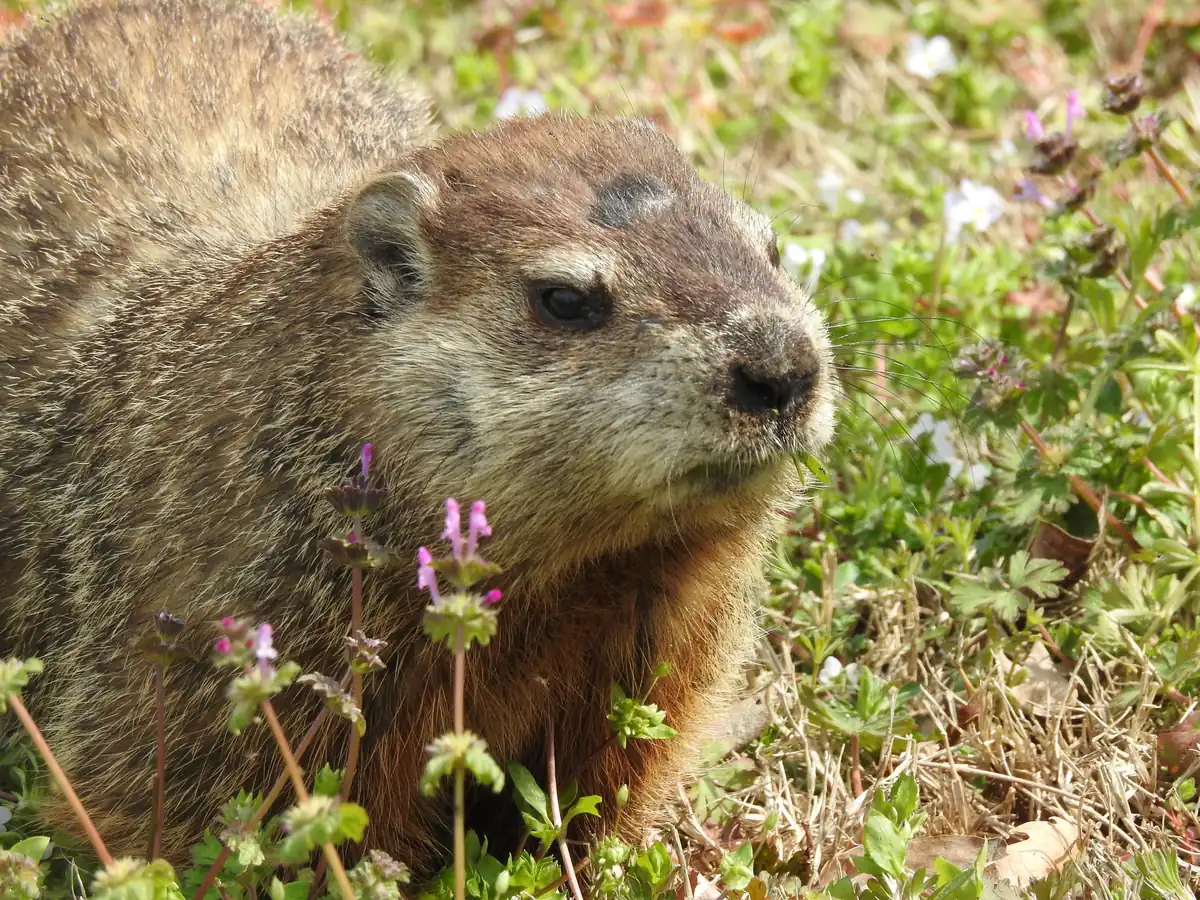
Confirm it is a groundhog
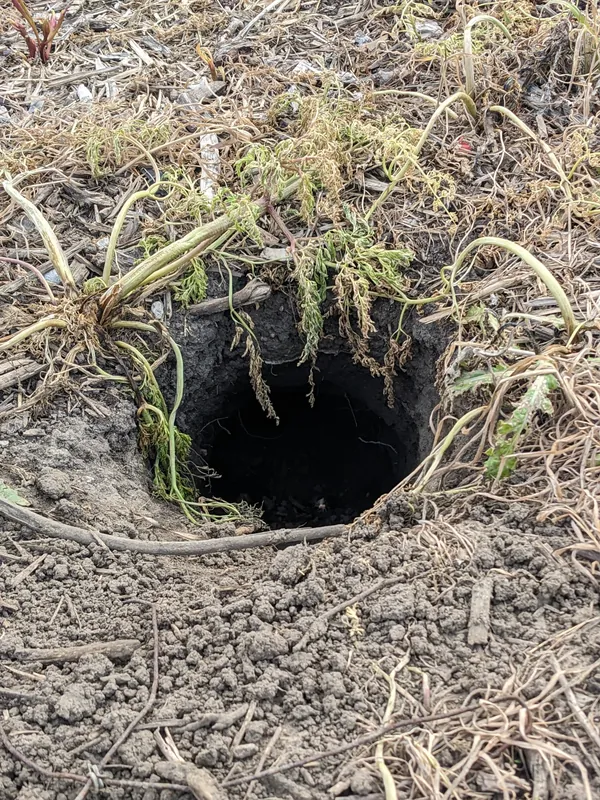
Groundhogs are stocky, brown, short-legged rodents 16–26 inches long that weigh 5–15 pounds. Unlike most yard pests, they feed in daylight, mostly early morning and late afternoon. The clearest sign is the burrow: a main entrance about 10–12 inches across with a fan of excavated dirt beside it, plus one or more escape holes without a mound that can be hard to find. A burrow system usually has 2 to 5 openings and can run 5 feet deep and 25–30 feet long.
Damage includes vegetable and flower gardens stripped overnight, gnawed stems of young fruit trees, and burrows that undermine sheds, decks, patios, walkways and foundations.
Fence the garden
A fence is the most reliable fix for gardens. Groundhogs dig and climb, so a plain fence fails.
- Use heavy poultry wire or 2-inch woven wire mesh 3–4 feet tall.
- Bury the bottom 12 inches deep, with the lowest 12 inches bent outward into an L so a digging groundhog hits wire.
- Leave the top 12 inches loose or bent outward at about 45 degrees so it wobbles when a groundhog climbs.
- For extra protection, run an electric wire about 4 inches off the ground outside the fence. Use caution with electric fencing where children or pets play, and post warning signs.
Block decks, sheds and porches
Attach hardware cloth to the lower edge of the structure, bury it at least 12 inches deep, and extend it 1–2 feet outward. Never install it over an active burrow, or you will trap an animal underneath.
Evicting a groundhog from a burrow
Timing matters. Do not evict during hibernation or while young are in the burrow in spring. Groundhogs breed in late winter, and young leave the den after about 2 months. That leaves late summer, after the young have dispersed and before hibernation, as the safest window.
- Find every opening. Loosely plug each one with soil or crumpled newspaper and see which get reopened within a day or two.
- Install a one-way door over the main active hole and leave it for at least 2 weeks.
- Confirm no new digging, then fill and block each opening, ideally with buried wire mesh.
Repellents and trapping
Predator urine, dried blood and capsicum, garlic or mustard sprays may discourage groundhogs for a while, but rarely move one that already depends on your garden for food. Read and follow the label; the label is the law.
Trapping rules vary widely. Some states let property owners remove damaging groundhogs year-round, while others restrict live-trapping, release or lethal methods, and some classify groundhogs as a rabies vector species, which limits relocation. Relocated groundhogs often do poorly, and another groundhog may move into the empty burrow. Check your state wildlife agency before trapping. Never use poison bait in a yard: it is likely to kill pets and other wildlife.
Where in the US
Groundhogs (woodchucks) live across much of the eastern and central US, from the Atlantic coast west into the Great Plains, in field edges, fencerows, woodland borders and suburban yards. They are absent from most of the far West and Southwest. They hibernate from about October or November until February or March, so damage starts in spring.
Photos
Often mistaken for
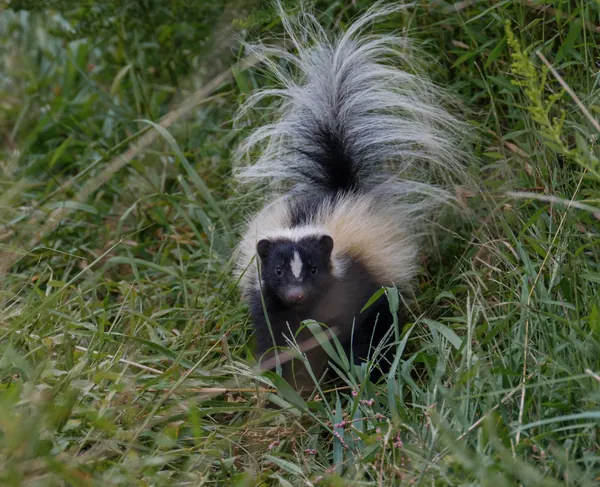
Photo: Mirko Schoenitz via iNaturalist, CC0 1.0 (public domain dedication)
Striped skunk
50–80 cm including the tail
Skunks dig small cone-shaped holes 3–5 inches across in lawns, not a 10–12 inch burrow with a dirt mound.

Photo: Sam Kieschnick via iNaturalist, CC BY 4.0
Pocket gopher
15–25 cm, cheek pouches, long front claws
Pocket gophers leave fan-shaped dirt mounds with the hole plugged, and are rarely seen above ground.

Photo: Troy B via iNaturalist, CC BY 4.0
Raccoon
60–95 cm including the ringed tail
Raccoons do not dig burrows; they raid at night and leave tipped trash and partly eaten fruit.
Choose a treatment
A groundhog raiding a garden is a fencing job; one burrowing under a structure is an eviction that has to be timed around hibernation and spring young.
Fence the garden
Do it yourself
- Build a 3–4 foot fence of heavy poultry wire or 2-inch woven mesh.
- Bury the bottom 12 inches, bent outward into an L, and leave the top 12 inches loose or angled outward so it wobbles.
- An electric wire about 4 inches off the ground outside the fence adds protection; use care around children and pets.
- Capsicum, garlic or mustard sprays may help briefly. Read and follow the label; the label is the law.
Professional
Usually not needed. A fencing contractor can install a buried, electrified garden fence for large plots.
Evict after the pups leave
Do it yourself
- Find every opening; loosely plug them and see which reopen.
- Do not evict during hibernation (about October to February) or while young are in the burrow in spring.
- In late summer, put a one-way door over the main active hole for at least 2 weeks, then fill and block every opening.
- Check your state wildlife agency before trapping. Rules on live-trapping, release and lethal control vary, and some states treat groundhogs as a rabies vector species.
Professional
A wildlife control operator can time the eviction, use one-way doors, or trap where your state allows it.
Evict, then wire-skirt it
Do it yourself
- Never install wire over an active burrow, or you will trap the animal underneath.
- Once the groundhog is out, attach hardware cloth to the base of the structure, bury it at least 12 inches and extend it 1–2 feet outward.
- Never use gas cartridges under buildings or poison bait in a yard.
Professional
A wildlife control operator evicts with one-way doors at the right season, confirms the burrow is empty, and installs a buried wire skirt. Burrows that undermine a slab or foundation may also need a contractor to fill voids.
Keep dogs away from groundhog burrows; a cornered groundhog will fight. Use caution with electric garden fences where children or pets play.
When to call a professional
Call a wildlife control operator if a groundhog is burrowing under your house, deck, shed or a slab, or if you need trapping done under your state's rules. A pro can time the eviction around hibernation and young, use one-way doors, and install a buried wire skirt. Anyone bitten or scratched should wash the wound and see a doctor, and report it to the health department.
Questions
What is the fastest way to get rid of a groundhog?
For a garden, a buried L-shaped fence works immediately. For a burrow under a structure, a one-way door left for at least 2 weeks, then sealing, is the dependable route.
Can I fill in a groundhog hole?
Only after you are sure the burrow is empty. Filling an active burrow can trap the animal, and it will often dig a new exit nearby.
Will a groundhog leave on its own?
Rarely while the food is good. Remove access to the garden and block den sites under structures.
Do groundhogs carry rabies?
They can. Some states classify groundhogs as a rabies vector species, so never handle one, and report any that act strangely.