Bed bug heat treatment
Bed bug heat treatment uses heaters and fans to raise a room to about 135°F and hold it for hours, until every crack reaches at least 122°F, the point at which bed bug eggs die. Done well, it often works in one visit.
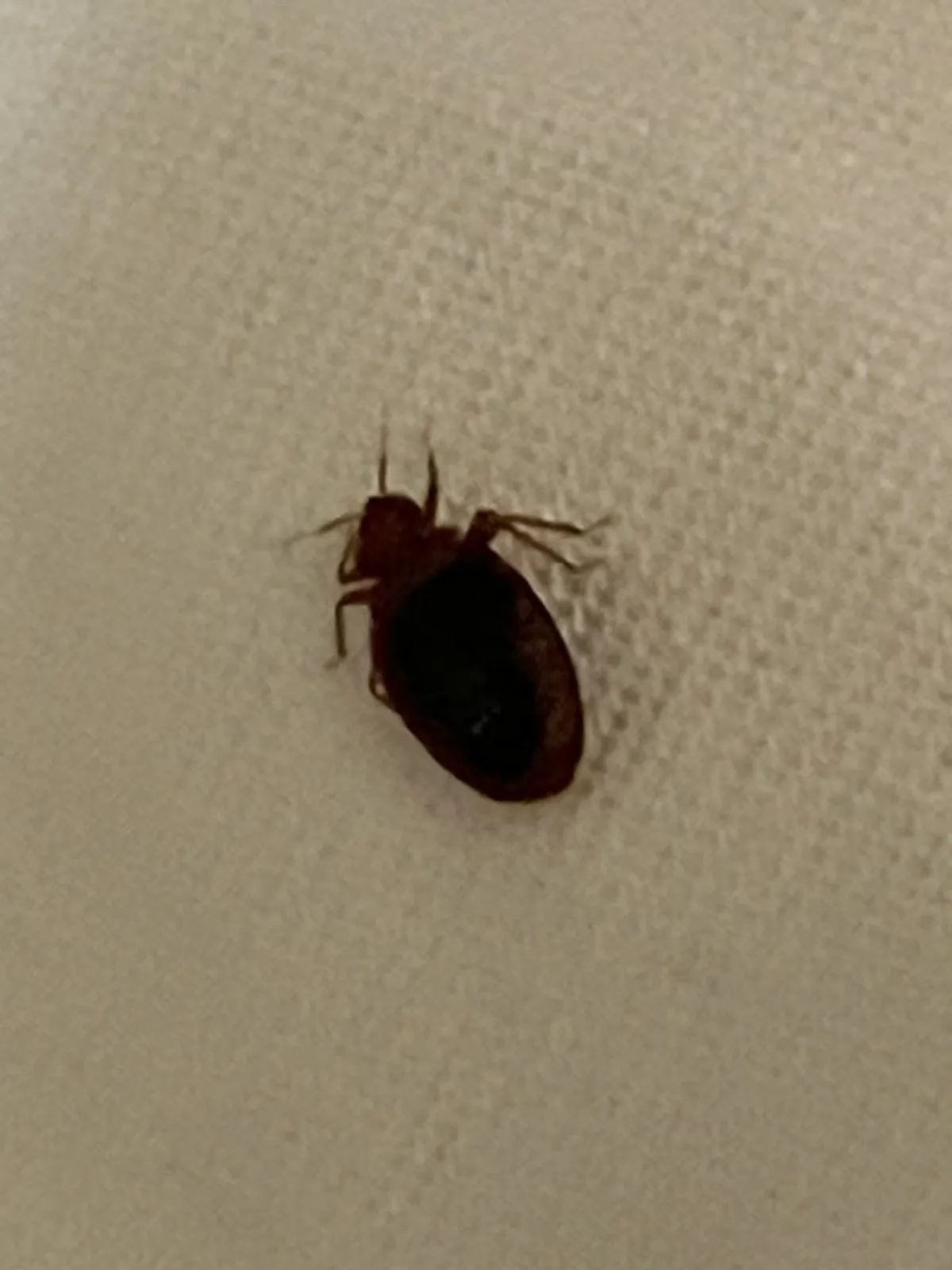
How heat kills bed bugs
Bed bugs and their eggs die when they get hot enough for long enough. Virginia Tech entomologists give the thermal death point as 118°F for adults and nymphs and 122°F for eggs. Bugs can die at 112°F to 115°F, but only after several hours of steady exposure. Because bed bugs hide deep in cracks, the air temperature in the room is not what matters. What matters is the temperature inside the hiding places: floor-wall junctions, under baseboards, inside drawers and between cushions.
What happens on treatment day
The company brings electric heaters or a propane heater (the propane unit sits outside and blows heat in through ducts), plus fans to keep the hot air moving. Air in the room is raised to about 135°F. Temperature sensors are placed in hard-to-heat spots and checked throughout. When those spots reach lethal temperature, heating continues so that eggs deep in furniture are exposed too. Good technicians move fans and heaters often, open drawers and closets, stand mattresses on edge, and pull cushions so that heat reaches both sides. Expect roughly 6 to 8 hours from setup to take-down; larger homes take longer.
Heat systems are not all equal
Virginia Tech compared three commercial heat systems in cluttered apartments with test bugs hidden in hard-to-heat spots. Some spots, such as floor-wall junctions, utility closet floors and areas under bags of clothes, never reached lethal temperature in a 4 to 5 hour treatment. Rooms far from the heater may need longer. The researchers stress that the technician's attention matters more than the heater's size. In Virginia, companies that only do heat are not required to be certified pest professionals, so ask about training and experience.
Preparing your home
Remove anything heat could damage or that could catch fire:
- pets and houseplants
- aerosol cans, lighters, candles and lipstick
- medications and unrefrigerated produce
- stringed instruments, photographs and heirlooms
Unplug electronics and follow the company's list exactly. Clutter does not necessarily stop heat from working, but boxes and bags stacked against walls keep the wall and floor behind them cool, so move them away from walls and off the floor. Avoid a frantic clean-out right before treatment, which can scatter bugs.
Why heat is often paired with insecticide
Heat leaves nothing behind, so bugs that escaped into a cool spot or are carried in later can start again. Virginia Tech recommends asking the certified technician to apply a residual desiccant dust, such as silica gel or a diatomaceous earth product, in the hard-to-heat spots afterwards. Buildings with drop ceilings, mobile homes with wall gaps, and older remodeled buildings have cool refuges where heat alone may fail.
Heat you can use yourself
A home clothes dryer on high is the cheapest heat treatment there is: a loosely filled dryer kills all life stages in about 30 minutes. Portable heating boxes can treat luggage, shoes and books. Steam at 130°F or more treats seams and cracks. Do not try to heat your home by turning up the thermostat or using space heaters, propane heaters or a fireplace; the EPA warns that it does not work and is dangerous. See how to get rid of bed bugs for the full DIY plan.
What to ask for
- Temperature readings from inside cracks, crevices and furniture, not just the room air
- Photos or notes on where bugs were found before and after
- A residual dust in hard-to-heat spots
- A follow-up inspection within about a week
For typical prices, see bed bug treatment cost.
When to call a professional
Whole-home heat treatment is a professional job. Hire a licensed company with bed bug experience that monitors temperatures inside hard-to-heat spots, will document the results, and includes a follow-up inspection. Ask whether a residual dust is applied afterwards and how many visits are covered.
Questions
What temperature kills bed bugs?
Adults and nymphs die at about 118°F and eggs at 122°F. At lower temperatures, around 113°F, bugs die only after 90 minutes or more of steady exposure.
Does one heat treatment get rid of bed bugs?
Often, if every hiding spot reaches lethal temperature. Cool spots and reinfestation can cause failures, so a residual dust and a follow-up inspection are wise.
Can I heat my house myself to kill bed bugs?
No. Turning up the thermostat or using space heaters won't get cracks hot enough and creates a fire risk. Use a hot dryer for items and hire a professional for rooms.
Will heat treatment damage my belongings?
Room air of about 135°F typically won't damage electronics, but remove aerosols, candles, medications, instruments, photos and anything that can melt, per the company's list.