What happens in a termite inspection
A termite inspector makes a careful visual check of every accessible part of the house, inside and out, for live termites, mud tubes, shed wings, pellets and damaged wood, and notes conditions that invite termites.
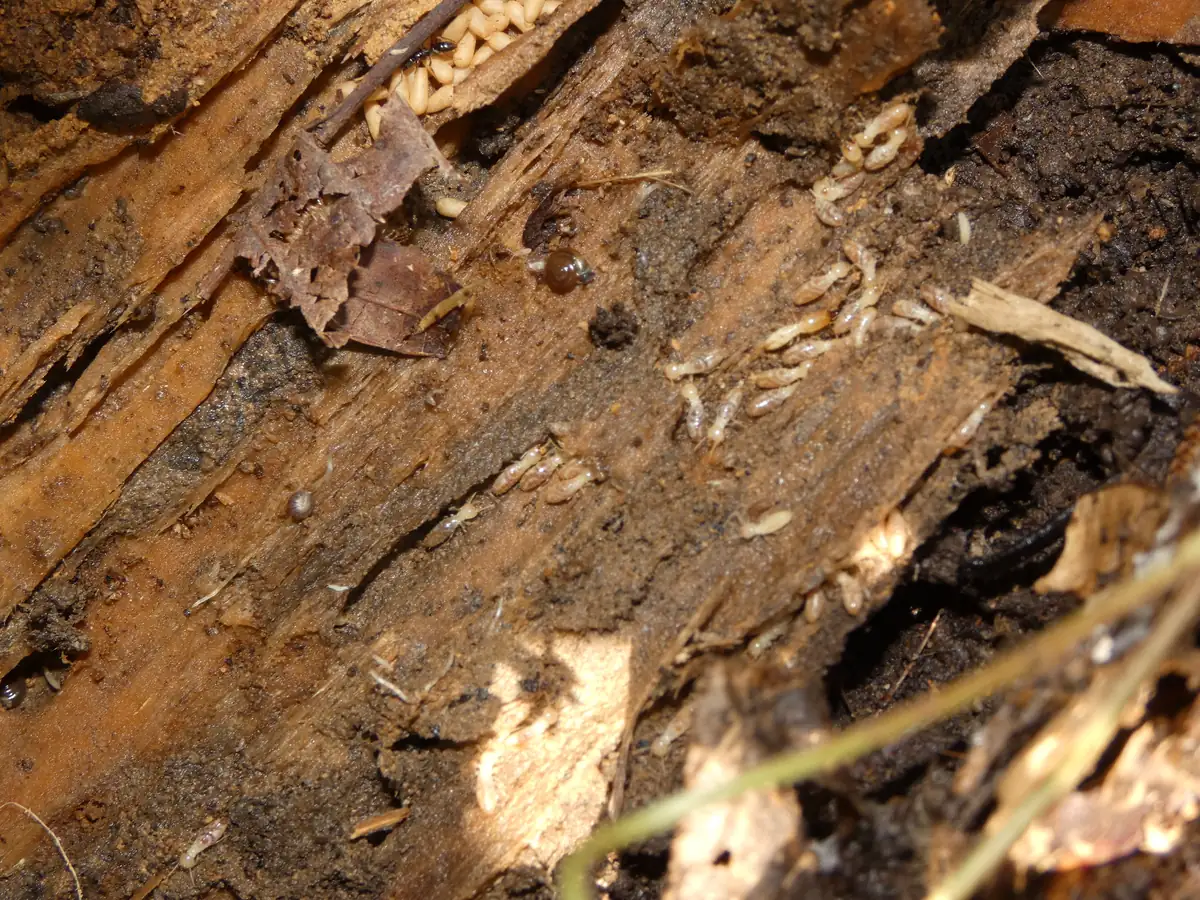
What the inspector checks
A termite inspection is a careful visual examination of all accessible areas of a building. A licensed inspector walks the outside foundation, porches, steps and attached decks, then the inside: basement or crawl space, garage, attic, the rooms along exterior walls, and around plumbing, tubs and water heaters. They sound and probe wood with a screwdriver or similar tool, especially where wood meets masonry or slabs.
Evidence they look for includes:
- Live termites or other wood-destroying insects
- Mud tubes on foundations, piers, sills and walls
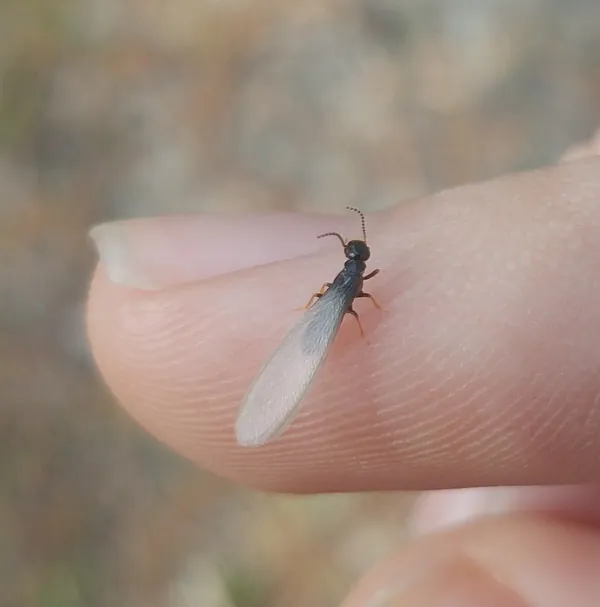
- Shed wings and swarmer remains near windows and doors
- Six-sided drywood pellets and kick-out holes
- Hollowed or soil-packed wood, blistered paint, pinholes in drywall
- Drill holes or other signs of a past treatment
They also note conditions conducive to termites: wood touching soil, cellulose debris under the house, wet wood, poor clearance between wood and soil, crawl space moisture, poor grading and leaks. In North Carolina, for example, wood with 20 percent or more moisture must be reported. See signs of termites for what each piece of evidence looks like.
What an inspection cannot see
Inspectors cannot see inside finished walls, under carpet and vinyl, behind stored boxes or into a crawl space with no access. The report lists areas that were inaccessible. Termites can also arrive soon after an inspection; they can enter through a 1/32-inch crack and build tube at about 2 1/2 inches an hour. A clean report describes what was visible on that day. It is not a guarantee that no termites are present.
WDI and WDO reports for a home sale
When a house is sold, the lender or buyer often asks for a wood-destroying insect (WDI) report, called a wood-destroying organism (WDO) report in some states. HUD and VA guaranteed loans require one on the NPMA-33 form, and it is commonly used for conventional loans too. Some states require their own form instead, and that state form takes priority.
The report covers termites and other wood-destroying insects such as carpenter ants, carpenter bees and wood-boring beetles. It states whether evidence was found, where, whether insects are or were in the wood, and whether there are signs of a previous treatment. Know its limits:
- It is not a structural damage report. If insects reached the wood, assume some damage and have a contractor or engineer evaluate it.
- It does not cover wood rot, plumbing, roof leaks or wildlife, except as conditions that invite termites.
- Evidence of an old, treated infestation is common in older homes. A report showing old evidence is normal and does not block a sale.
If active termites are found, the inspector may offer a treatment bid, but deciding on treatment is between buyer and seller. If treatment is done, attach the written agreement and any warranty to the report.
How often to inspect
Extension guidance suggests a termite inspection every 3 to 5 years, and more often for homes that have had termites. Spring, when swarms follow warm, rainy days, is a good time to watch for activity yourself. If you have a termite warranty, it usually includes an annual inspection.
What an inspection costs
HomeGuide reports that a routine termite inspection costs $0 to $250 for most homes, and that many companies inspect free when you are considering treatment. It lists real estate termite inspections at $100 to $325 and WDO reports at $150 to $300. The buyer or seller may pay depending on local custom and the contract. For treatment prices, see termite treatment cost.
Getting a good inspection
- Clear access to the crawl space, attic hatch, garage walls and the area under sinks.
- Ask the inspector to list every area they could not reach.
- Ask for photos of any evidence.
- If termites are found, get a second inspection and estimate before agreeing to treatment.
Photos
When to call a professional
Hire a company licensed by your state's pest control regulator; in North Carolina, for example, only a licensed firm or its employees can issue the WDI report. Get a second opinion before paying for treatment, and for a home sale, confirm which form your state and lender require. If the report finds damage, have a contractor or structural engineer evaluate it.
Questions
How long does a termite inspection take?
For a typical house, 30 minutes to 2 hours, depending on size and how much of the crawl space, attic and garage is accessible.
Is a WDI report the same as a termite inspection?
Close, but broader. A WDI or WDO report covers termites plus other wood-destroying insects such as carpenter ants and wood-boring beetles, on a standard form for the sale.
Does a clear report mean the house has no termites?
No. It reports only what was visible in accessible areas on that day. Termites can be hidden in walls or arrive later.
How often should I get a termite inspection?
Every 3 to 5 years is a common extension recommendation, more often if the house has had termites or you are in a high-risk area.