What bed bug bites look like
Bed bug bites usually look like small, red, slightly swollen, itchy bumps, much like mosquito or flea bites, on skin left uncovered in bed. They may appear in a line or a cluster, and they often show up a day or more after the bite.
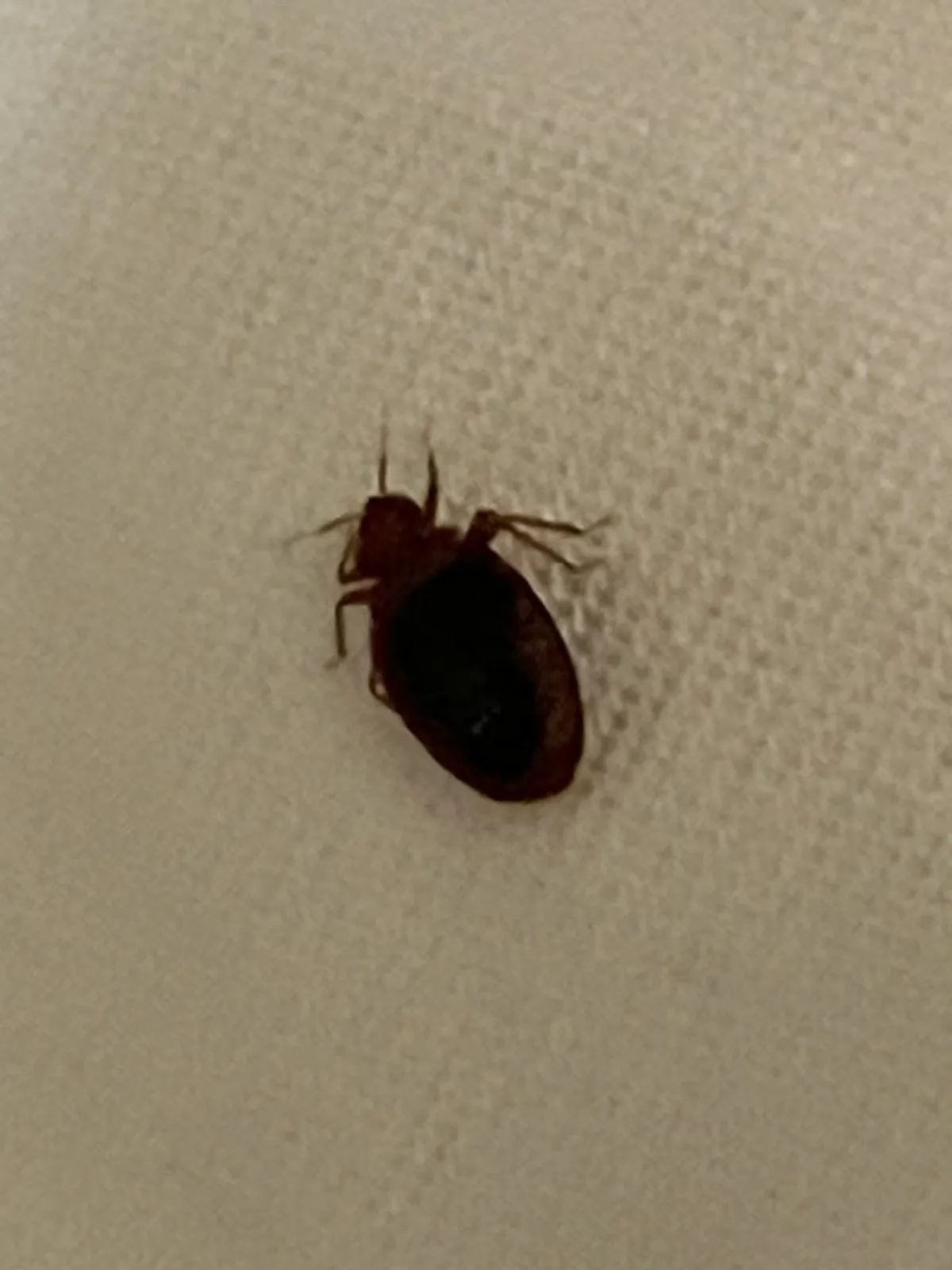
What the bites look like
Most bed bug bites are small red bumps or welts that are slightly swollen and itch. They look so much like mosquito and flea bites that doctors and entomologists cannot tell them apart by sight. They can be scattered at random or lined up in a row or a small group.
Bites tend to be on skin that is uncovered while you sleep: the face, neck, arms and hands. Flea bites, by contrast, are mostly around the ankles and lower legs.
Why you didn't feel it
Bed bugs feed for about 3 to 10 minutes, usually at night. Their saliva contains a numbing agent and a blood thinner, so the bite itself is painless. The red, itchy reaction is your immune system responding to that saliva, which is why it may take a day, several days, or in some people up to 14 days to appear.
Why reactions differ
People react very differently. In a study of 475 New Jersey apartment residents living with confirmed bed bugs, only 68% reported any symptoms. Another extension estimate puts the share of people who do not react at about 30%. Two people can share an infested bed and only one of them will have marks. A lack of bites does not rule out bed bugs, and bites alone do not prove them.
Bites are not proof
The EPA calls bites a poor indicator of an infestation because they look like other insect bites, rashes and hives. Several other things cause itchy bumps in bed: fleas from pets, mosquitoes, and the hairs of carpet beetle larvae, which cause an allergic rash that people often mistake for bites (see bed bugs vs carpet beetles). Before you treat anything, look for the physical signs: live bugs, rusty or dark spots on the mattress, pale eggs or shed skins. The signs of bed bugs page shows what to look for, and the what bit me tool compares common bites side by side.
Caring for the skin
Wash the area with soap and water and try not to scratch, since broken skin can become infected. The CDC notes that antiseptic creams or lotions can ease itching, and an antihistamine may help people with strong reactions. Ask a pharmacist if you are unsure which product suits you or your child.
When to see a doctor
See a healthcare provider if:
- a bite becomes very swollen, painful, or the swelling keeps spreading
- you see signs of infection: warmth, pus, red streaks, or a fever
- you have many bites with blistering or a widespread rash
- itching or worry is costing you sleep night after night
Call 911 or seek emergency care right away for trouble breathing, swelling of the face, lips or throat, or dizziness. Severe allergic reactions to bed bug bites are rare but do happen.
Bed bugs and your health
Bed bugs are not known to spread disease to people. The real costs are itching, lost sleep, anxiety, and skin infections from scratching. Those are worth taking seriously. If the bites keep coming, find the source: our guide on how to check for bed bugs walks through a full search.
Photos
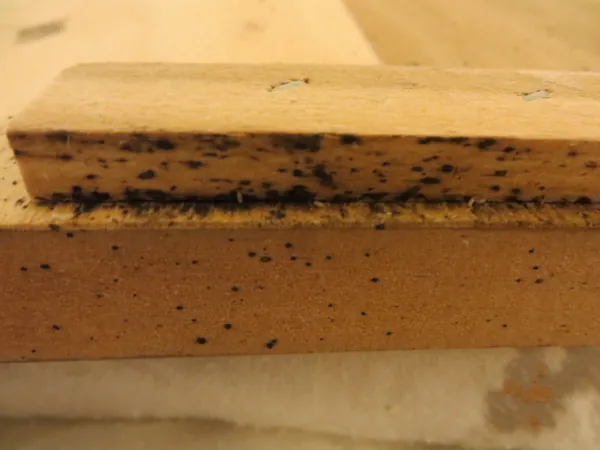

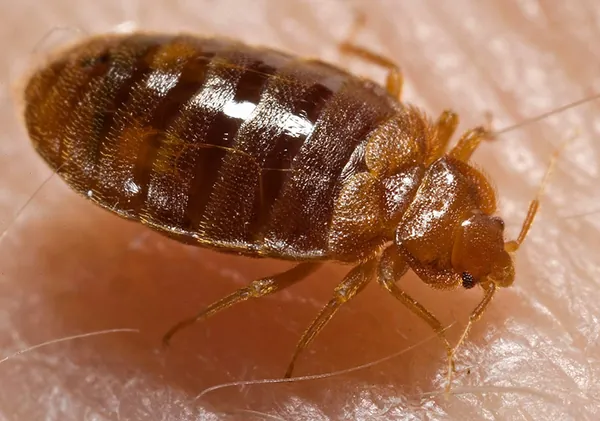

When to call a professional
If you have itchy bumps but have not found bugs, stains or shed skins, ask a pest professional or your county extension office to confirm the cause before anyone applies pesticide. Once bed bugs are confirmed, a licensed professional with bed bug experience is the most reliable route to ending the bites, since most infestations need several visits.
Questions
How can I tell bed bug bites from mosquito bites?
By sight alone you usually can't. Bites in a line or cluster on skin exposed in bed, appearing after a night's sleep, point toward bed bugs, but only finding bugs, stains or shed skins confirms them.
How long do bed bug bites last?
For most people the red welts and itching last a few days. Reactions range from none at all to larger, longer-lasting swelling; see a doctor if a bite keeps getting worse or looks infected.
Why do bed bugs bite one person and not another?
They may bite both people. Many people simply don't react; in one large apartment study only 68% of residents with bed bugs reported symptoms.
Do bed bug bites spread disease?
Bed bugs are not known to spread disease to people. Scratching can lead to a skin infection, so keep nails short and the area clean.
Sources
- About Bed Bugs (CDC)
- How to Find Bed Bugs (EPA)
- Bed Bugs, FS1098 (Rutgers Cooperative Extension)
- Bed Bugs, ENTFACT-636 (University of Kentucky Entomology)
- Bed Bugs: Prevalence in Low-Income Communities, Resident's Reactions (J. Med. Entomol. 2016)
- Anthrenus sp. and an Uncommon Cluster of Dermatitis (Emerging Infectious Diseases, CDC)