How to check for bed bugs
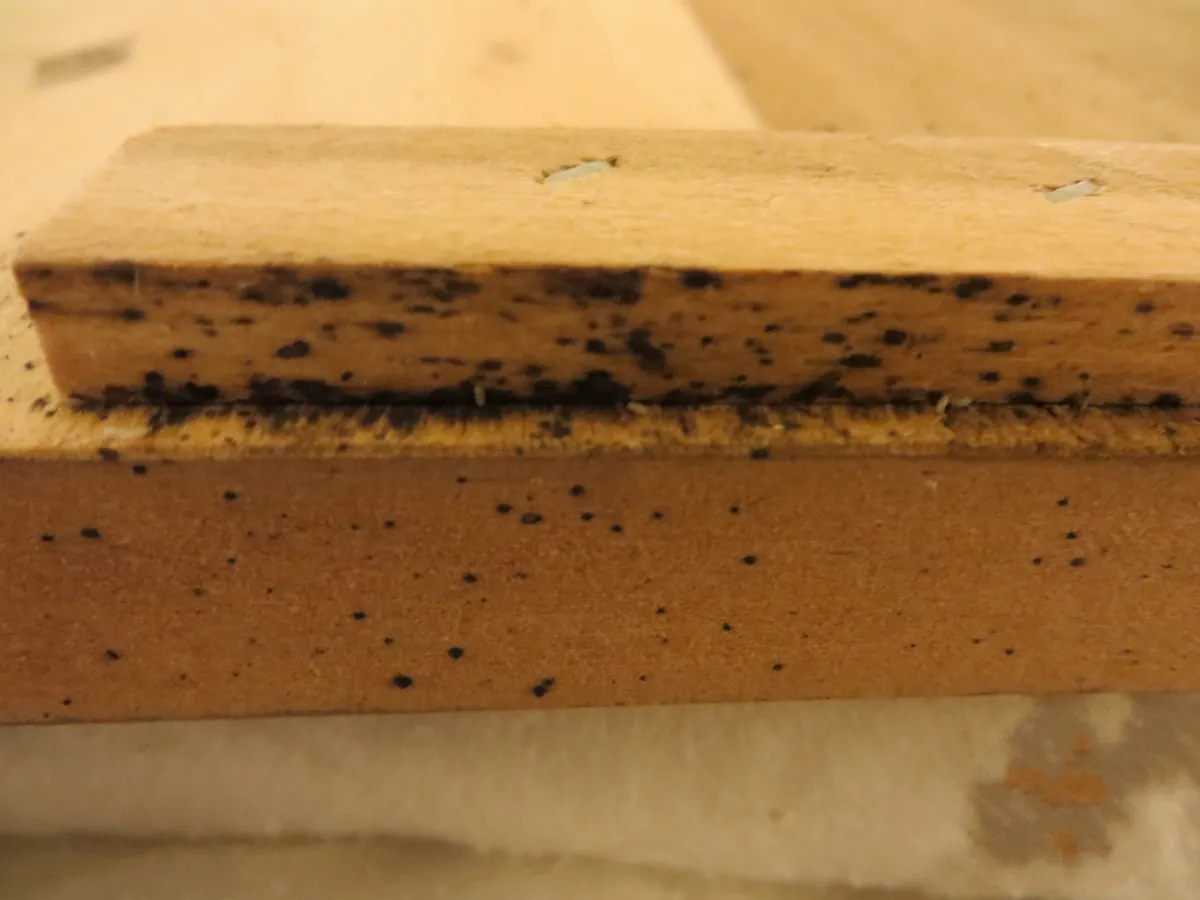
To check for bed bugs, strip the bed and use a flashlight and magnifier on mattress seams and tags, the box spring, bed frame and headboard, looking for live bugs, dark fecal spots, pale eggs and shed skins. Then put interceptors under the bed legs.
What you need
A bright flashlight, a hand magnifier, an old credit card or thin putty knife to slide into seams, clear packing tape, zip-top bags, and a notepad. A thorough professional inspection and treatment can take several hours, so don't rush.
Step by step around the bed
- Strip the bed slowly, looking at each sheet as it comes off. Bag the bedding and run it through a hot dryer.
- Work around the mattress seams, piping, tufts and tags, top and bottom. Slide the card along the seam to push out anything hiding.
- Lift the mattress and check the box spring, especially under the thin fabric dust cover on the bottom, and the corners where the fabric is stapled.
- Inspect the bed frame: joints, slats, screw holes and the underside of rails. Take it apart if you can.
- Take the headboard off the wall and check the back and the wall behind it.
- Check nightstands inside and out, including drawer joints, and anything stored under the bed.
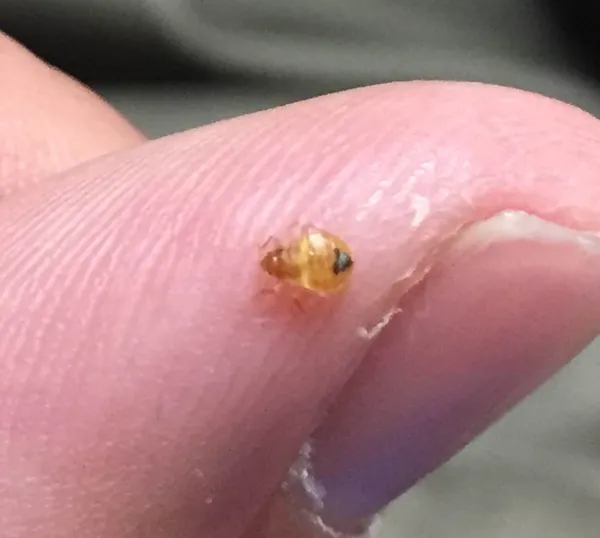
You are looking for live bugs (flat, oval, rusty brown, 5 to 7 mm), paler nymphs, pearl-white eggs about 1 mm long, empty pale shed skins, and dark fecal spots that soak into fabric like a marker dot. See signs of bed bugs for what each looks like.
Then widen the search
About 85% of bed bugs in a home are in or near the bed. The rest turn up in sofas and recliners, where people nap, and in heavier infestations along carpet edges, behind baseboards, in curtain folds, behind outlet covers, under loose wallpaper and picture frames, and where the wall meets the ceiling. Check every couch seam and under the cushions.
Add interceptor traps
Visual searches miss early infestations. Interceptors are smooth-walled cups that sit under each bed or sofa leg; bugs climbing to or from you fall in and can't climb out. In University of California research they caught six times more bed bugs than visual searches alone, and a Rutgers study of 2,372 apartments found that interceptors detected 89% of infestations, compared with 72% for brief visual checks. Pull the bed a few inches from the wall and keep bedding off the floor so the legs are the only route up. Check the cups every 7 days.
Bed bug-sniffing dogs and professional inspectors
Detection dogs can be accurate in the lab, but their field accuracy varies widely. UC IPM advises checking a dog team's third-party certification and having any alert confirmed by a trained person who finds the bug or its signs. A professional inspector should show you what they found. Infestations are confirmed only by finding bugs or physical signs, not by bites, odor or a dog alert alone.
Checking a hotel room
Before you unpack, pull back the sheets at the head of the bed and check the mattress seams, tags and the box spring corners, and look behind the headboard if it lifts off. When you get home, put travel clothes straight into a hot dryer.
Checking used furniture
Inspect secondhand beds, sofas and upholstered chairs outside before they come in, paying close attention to seams, staples, joints and the underside. If in doubt, leave it out.
If you find something
Stick the bug to clear tape on an index card or seal it in a bag, note where you found it, and photograph spots and eggs with a coin for scale. Bat bugs, carpet beetles and booklice are often confused with bed bugs; compare on bugs that look like bed bugs. Then read how to get rid of bed bugs.
Photos

When to call a professional
Hire a professional bed bug inspector if you have unexplained bites but can't find any signs, if you live in multi-unit housing, or before and after treatment to confirm results. Ask how they inspect, whether they use interceptors, and, for dog teams, for third-party certification and a visual confirmation of any alert.
Questions
What is the fastest way to check for bed bugs?
Shine a flashlight along the mattress seams and tags and the corners of the box spring. That is where most bed bugs and their dark fecal spots are found.
Can a bed bug dog find bed bugs reliably?
Sometimes. Dogs do well in the lab but vary in homes, so a trained person should confirm any alert by finding a bug or its signs.
How do I check a hotel room for bed bugs?
Before you unpack, pull back the sheets at the headboard end, and check the mattress seams, tags and box spring corners with your phone light.
How often should I check after treatment?
Check interceptors and seams every 7 days, and keep checking for at least a year after the last bug is seen.
Sources
- How to Find Bed Bugs (EPA)
- Pest Notes: Bed Bugs (UC IPM)
- Bed Bugs, FS1098 (Rutgers Cooperative Extension)
- Bed Bugs, ENTFACT-636 (University of Kentucky Entomology)
- Bed Bugs: Prevalence in Low-Income Communities and a Low-Cost Inspection Protocol (J. Med. Entomol. 2016)
- Do-it-yourself Bed Bug Control (EPA)